

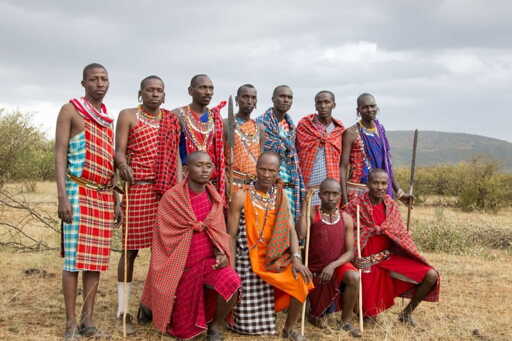
“Look, giraffes are walking in front of me. We have hundreds of them in our conservancy. There are zebras, too, see! And elephants,” Nelson Ole Reiyia describes during a phone interview with Mongabay, which quickly turned into a video call. Ole Reiyia is the co-founder of the Nashulai Maasai Conservancy, established in 2016 on the edges of the famous Maasai Mara National Reserve in southern Kenya’s Narok county, near the border with Tanzania. In eastern Africa’s sea of state- and NGO-managed protected areas, this conservancy stands out for its management by the Indigenous Maasai people — and its conservation approach. The conservancy, covering more than 2,400 hectares (5,930 acres), is made up of individual private land plots owned by Maasai who came together to protect the environment and their rights. While in some places in Kenya, Maasai land privatization has led to the fragmentation of grazing land and conservation impacts, Ole Reiyia says in Nashulai there’s already been visible and positive results. Instead of keeping the land divided, landowners glued their lands together. “Nashulai was a big dust bowl. There was no grass on the land,” Ole Reiyia tells Mongabay. “After two years, the grass cover improved. Our women restored the river. They removed tons of garbage, and then, together with the youth, replanted indigenous seedlings along the riverbanks. Over time, nature responded. Wildlife came back. This is a corridor that links the conservancies with the [Maasai Mara].” Giraffes (Giraffa tippelskirchi) in the conservancy. Image © Nina Wang Mikkelsen, courtesy…This article was originally published on Mongabay
From Conservation news via this RSS feed