

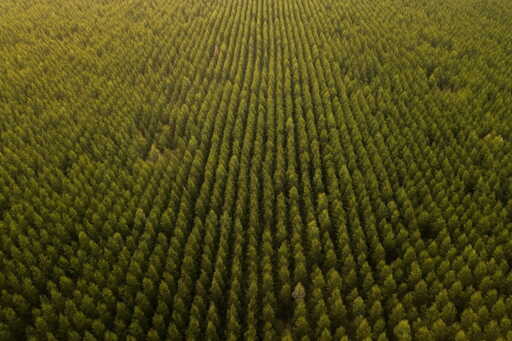
The Land Matrix, a collaboration between the International Land Coalition and several universities, just published a new report on land deals for carbon offsets. Carbon offsets are “credits” sold to polluters who buy them to compensate for their greenhouse gas emissions. The Land Matrix documented 9 million hectares (more than 22 million acres) that are subject to these land deals worldwide. At GRAIN, we came to a similar figure when we tallied carbon land deals last year. However, there are some major differences between these two assessments that we want to highlight. The Land Matrix looked at land deals from the year 2000 onward. They included projects for avoided deforestation (often known as REDD+) as well as tree planting, wetland restoration and grassland management. Two-thirds of the land they accounted for are for REDD+ projects alone. GRAIN, on the other hand, looked at land deals concluded between 2016 and March 2024, and did not include REDD+ or wetland or grassland restoration and management. We only looked at projects where lands were taken over to plant trees and other crops to produce carbon offsets for companies. The Land Matrix data only cover low- and middle-income countries, but exclude China “due to the lack of a country partner.” GRAIN’s data also focused on the Global South, but included China — which we learned was one of the top targets for land-based carbon offset projects. The Land Matrix data set also excludes carbon offset projects where the land claims predate 2000, leaving out…This article was originally published on Mongabay
From Conservation news via this RSS feed