

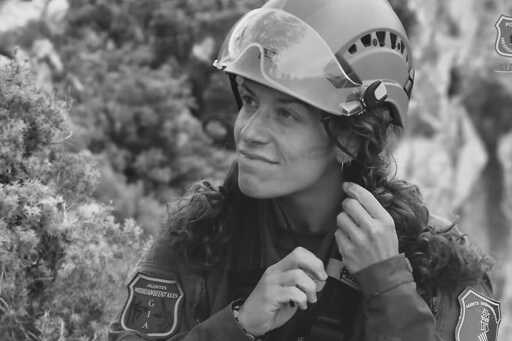
The cliffs above Cala de Moraia are steep and inaccessible. To most people, the terrain would signal danger rather than duty. But dangerous places often shelter life that needs defending. Rare plants cling to the cliff face, surviving only because most people cannot reach them. On November 25th, 2025, one person did. She was there because she always was, working to ensure that wild places could endure. That afternoon, something went wrong. She fell. Rescuers arrived quickly, but there was nothing to be done. Her name was Cristina Gallardo Gomez. She was 39. She worked as an environmental agent for the Valencian Community, part of a specialized intervention group trained for places where conservation demands rope, strength, and resolve. Her days were spent suspended over ravines, climbing coastal walls, and entering caves to help protect species that have little room left to exist. She saw these places not as hazards but as responsibilities. Her commitment began much earlier. She studied biology, convinced that safeguarding the natural world could be both her passion and her purpose. “Poder contribuir en la prevención y cuidado del monte” (to help prevent harm and care for the lands) would be, she once wrote, deeply gratifying. She fought for years to make a place for herself in that pursuit, never losing conviction. Her work spanned protecting threatened raptors, installing nest boxes for kestrels, and helping barn owls return to farmland. In caves, she helped survey rare ferns and bats. On cliffs, she helped remove sport-climbing routes…This article was originally published on Mongabay
From Conservation news via this RSS feed
You must log in or # to comment.