

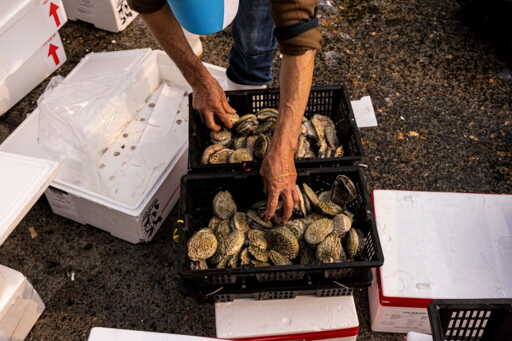
Amid negotiations last week on wildlife trade regulations by delegates from around the world, one item was left out of the discussions. South Africa had been expected to bring to the summit of CITES, the global wildlife trade convention, a proposal to strengthen protection of South African abalone, a large sea snail considered a delicacy in East Asia. But it abruptly withdrew its proposal at the summit in Samarkand, Uzbekistan. South African abalone (Haliotis midae) commands high prices in East Asian markets and has been massively overfished in recent decades. The trade in the mollusk is dominated by organized transnational criminal networks and local gangs, but the fishery also provides livelihoods for thousands of people in coastal communities across South Africa’s Eastern and Western Cape provinces. Under South Africa’s proposal, the species would have been listed on CITES Appendix II, which would have subjected the international commercial trade of abalone to strict import and export regulations. While similar proposals for other species have been withdrawn at past CITES summits, the countries behind them usually offered a public explanation for their move to the other delegates. This time, however, South Africa made no public statement about its U-turn. Thobile Zulu-Molobi, a spokesperson for South Africa’s Department of Forestry, Fisheries and the Environment, told Mongabay that reasons for the withdrawal would be given once there’s “more clarity on certain issues.” Abalone land other exotic seafood for sale in Hong Kong. Image by Jason Wong via Flickr (CC BY-NC-ND 2.0). Johan Heckroodt, chair…This article was originally published on Mongabay
From Conservation news via this RSS feed