

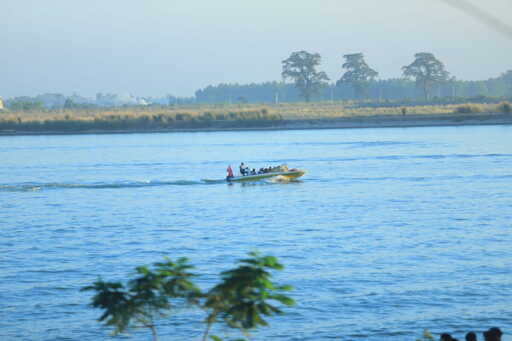
SARLAHI, Nepal — Nepali social media influencer Ishtu Karki recently posted photos and videos enjoying a motorboat ride on the Bagmati Lake, popularly known as Bharat Taal, in Sarlahi district in the country’s southern plains. “We have such a wonderful pond here in Sarlahi … You don’t need to go to Bangkok or Phuket now,” she said about the lake adjoining Bagmati River. The 33.8-hectare (83.54-acre) lake, commissioned by Bagmati municipality mayor Bharat Bahadur Thapa (hence the name) and built in 2021, attracts not just visitors from Nepal, but also from across the border in India in large numbers. On a recent November afternoon, Mongabay saw seven Nepali tourists pay 300 rupees ($2.1) each for a boat ride. A young Indian couple paid 100 rupees (70 cents) for a short horse ride on the bank and 50 rupees (35 cents) more for a video clip. “We have limited drinking water supplies here, but I like to come here to see the lake,” said Satendra Kumar, who visits the lake occasionally from his home in neighboring Bihar state, India. Tourists from India and Nepal visit Bharat Taal in Nepal. Image by Nakul Sah. But the next time visitors such as Karki and Kumar return to the lake, it may not be there. Since its construction, the lake has shot up as a popular cross-border attraction with economic, groundwater recharge and biodiversity benefits, but ongoing legal cases, lack of long-term environmental and biodiversity safeguards, inadequate waste management, and unclear jurisdiction have raised…This article was originally published on Mongabay
From Conservation news via this RSS feed
You must log in or # to comment.