

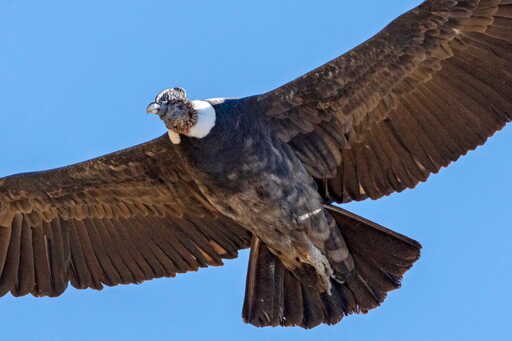
In an isolated backroom of a nature reserve near Bogotá, Colombia’s capital, Wayra, a recently hatched condor chick, is a symbol of hope for Fernando Castro, a wildlife specialist. Castro, 33, says he sees in the small fluff of gray down the future of the Andean condor (Vultur gryphus) in Colombia. Wayra is the latest Andean condor chick hatched through an artificial incubation program run by the Jaime Duque Park Foundation, a Colombian nonprofit working to conserve the species. At Jaime Duque Park, a theme park a 30-minute drive from Bogotá, which includes two nature reserves, conservationists are working to breed the species at a faster pace than would happen naturally, in a bid to give the Americas’ largest flying bird a better chance at recovery. Over the past two centuries, Andean condor populations have been steadily declining across the seven countries they inhabit: Argentina, Bolivia, Chile, Colombia, Ecuador, Peru and Venezuela. The population plunged in the 20th century as people settling in the Andean highlands killed the scavenging birds because of the mistaken belief that they were to blame for livestock deaths. Habitat loss and lead contamination from ammunition left in animal carcasses further devastated the species. Today, the Andean condor is classified on the IUCN Red List as vulnerable to extinction. The IUCN assessment, carried out in 2020, estimates there are about 6,700 individual condors remaining across the species’ range. But their situation varies across countries. In Venezuela, the species is believed to have gone locally extinct, and…This article was originally published on Mongabay
From Conservation news via this RSS feed