

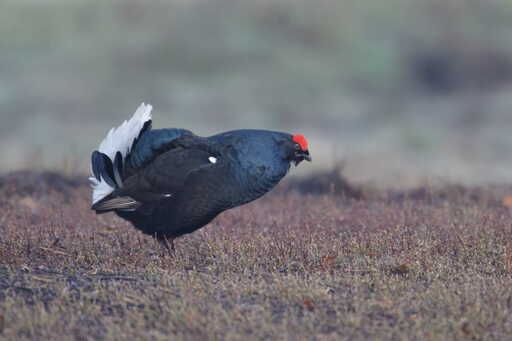
Nearly 3,000 species in the country of Wales, in the U.K., are now found in just a handful of locations, according to a recent report. These species include hundreds of plants, fungi and mosses, as well as 25 bird, six mammal, five freshwater fish and one amphibian species. The report, produced by Natural Resources Wales (NRW), a Welsh government-sponsored body, notes that 114 species were last seen in Wales in the 1950s or later. Since 2000, 11 of these species have gone locally extinct, including the whiteworm lichen (Thamnolia vermicularis), belted beauty moth (Lycia zonaria), and birds like the corn bunting (Emberiza calandra) and European turtle dove (Streptopelia turtur). “This report makes it clear that we aren’t simply ‘at risk’ of seeing species going extinct in Wales, it’s already happening. As a country, we need to take the threat seriously,” Mary Lewis, head of natural resource management policy at NRW, said in a statement. NRW found that nearly 3,000 species are currently found in just five or fewer locations; 1,262 species survive in just a single site. Not all the 3,000 species are necessarily declining. Nearly half may appear spatially restricted because they’re underrecorded, the report notes. However, 77 species are “decliners” — once widespread, they’ve declined drastically recently. The decliners include birds like the black grouse (Lyrurus tetrix) and yellow wagtail (Motacilla flava), insects like the high brown fritillary butterfly (Fabriciana adippe) and strandline beetle (Eurynebria complanata), and plants like the grass-wrack pondweed (Potamogeton compressus) and fen orchid (Liparis…This article was originally published on Mongabay
From Conservation news via this RSS feed