

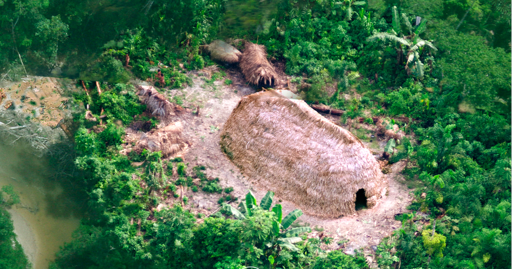
Deep within the remaining tropical forests of the world, the last uncontacted peoples live in near-total isolation. Their very presence carries unintended yet powerful implications for all of us. Studies show that Indigenous territories — especially those of uncontacted groups — are among the least disturbed ecosystems on Earth. Protecting regions inhabited by uncontacted Indigenous peoples is vital from both a human rights and environmental perspective; these territories represent some of the planet’s last intact ecosystems. The human dimension of respecting their isolation is a moral imperative, grounded in the fundamental rights to existence and self-determination. Equally significant are the longer-term environmental implications. Protected Indigenous lands function as natural sanctuaries of biodiversity, safeguarding countless plant and animal species, many of which remain undocumented by science. By preserving these untouched forests, the world also protects vast carbon sinks that regulate the planet’s climate and slow global warming. Malocas, or longhouses, of an Indigenous community living in isolation in the Loreto region of the Peruvian Amazon. Image courtesy of ORPIO. In essence, ensuring the survival of uncontacted territories not only defends the autonomy of their inhabitants, it also sustains the living systems that uphold the Earth’s atmosphere, biodiversity and climate. In the western Amazon, the region holding the uncontacted peoples I know best, dense Indigenous territories rank among the most biodiverse places on Earth. They also hold the planet’s highest concentration of uncontacted peoples, and they are under increasing siege. While Peru and Brazil have designated large swaths as protected Indigenous land,…This article was originally published on Mongabay
From Conservation news via this RSS feed