

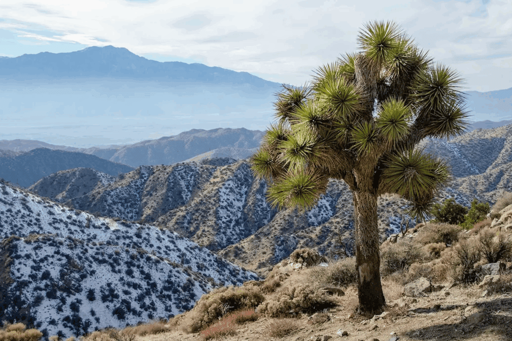
A wildfire in California’s Joshua Tree National Park burned through some 29 hectares (72 acres) of land during the recent federal government shutdown in October and November. That’s a small fire by California standards, but firefighters estimate it scorched roughly 1,000 of the park’s iconic Joshua trees, according to The Los Angeles Times. The burned area was considered one of the most climate-resilient refuges for the trees as the region grows hotter and drier amid climate change. Joshua trees (Yucca brevifolia) provide critical food and shelter for wildlife species in the Mojave Desert ecosystem. The trees are listed as least concern on the IUCN Red List and currently have no federal protection outside the park. But they’re increasingly threatened by habitat loss and the effects of climate change. Adult trees are relatively drought-tolerant but scientists are concerned about young trees, which are more sensitive to drought, heat and predation. Adding to their vulnerability, Joshua trees can take up to 70 years to reach sexual maturity and depend on a single pollinator, the yucca moth (Tegeticula synthetica), which is also stressed by climate change. The recent fire took place near the park’s Black Rock Campground, “the location of some of the most robust and healthy Joshua tree forests in Joshua Tree National Park,” Mark Butler, a former superintendent of Joshua Tree National Park, told Mongabay in a video call. The area sits at a higher, cooler elevation and was considered the climate-resilient Joshua tree habitat in the park. Since 1895, precipitation…This article was originally published on Mongabay
From Conservation news via this RSS feed
You must log in or # to comment.