

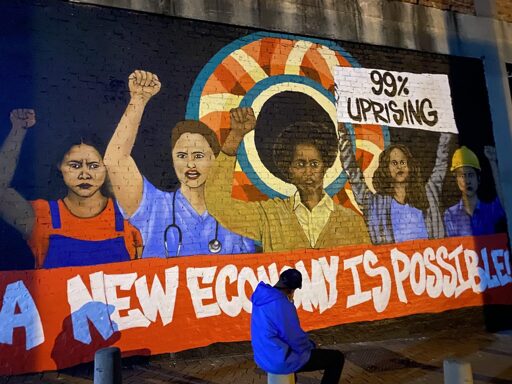
South African billionaire Johann Rupert has enjoyed a sudden surge in wealth. His expanding fortune, like those of billionaires around the world, is not a sign of brilliance or achievement. It is a symptom of a system built to funnel wealth upward into the hands of the 1%.
Rupert’s net worth jumps from $13.7 billion to $19.1 billion in under a year, powered by sales of high-end jewelry through Richemont, the luxury goods holding company he founded. With his exploding profits he invests in hospital networks, viewing them simply as financial assets, not the essential services the rest of us — the 99% — need and have the right to. The headlines call it “performance,” but anyone living outside the 1% knows it is extraction.
Look closely at this “growth story.” Rupert’s empire now includes 50 hospitals. Almost 9,000 beds. Over 21,000 workers. None of this signals progress. It signals concentration of what should be public goods into private hands. Healthcare, one of the most basic human needs, converted into a pipeline for shareholder returns. Workers are reduced to cost lines. Beds are converted into units of revenue. When entire health systems become part of billionaire portfolios, this is clearly not for the public good.
This is not just an African story. In the United States, for example, private equity investors have spent more than $1 trillion on health care acquisitions in the past decade. And a growing body of evidence shows that when these wealthy private owners take over, the quality of patient care declines.
This is the context within which We the 99% met at the People’s Summit for Economic Justice in Johannesburg in November. While world leaders gathered for the official G20 convening a short distance away, this Summit gathered those who face the brunt of inequality and unjust decisions made by the 1% and leaders out of touch with us, the people.
Teachers who work without materials. Smallholder farmers whose land becomes collateral for big business. Hospital workers who don’t have the medicines to treat patients. Migrants forced into precarity to survive. LGBTQIA+ people who are excluded and face abuse and discrimination. Caregivers whose unpaid labor props up societies. Indigenous communities who continuously see their forests and minerals stripped, then handed back to them as charity.
The discussions at the People’s Summit named the problem. Inequality is not a mistake, it is a result of deliberate decisions by elite-controlled governments. Illegitimate debt is a tool of control. Tax havens are organized theft. Militarization drains collective resources. Digital monopolies profit from human creativity. Climate collapse uproots those who contributed least to it. These are not crises that just “happen.” They are outcomes of rules designed to protect the powerful and externalize the cost onto everyone else.
The demands from the Summit are proportionate to the damage:
Tax the one percentShut down the offshore structures that hollow out public budgetsCancel illegitimate debts that force countries to choose between paying creditors or funding public hospitalsEnforce corporate accountability so land, water and labor cannot be plunderedMake polluters pay rather than letting them sell “green” fantasies while communities drown or burnValue and recognize care workSecure food sovereignty so communities set their own agricultural prioritiesProtect culture, civic space, and the right of peoples to live free of occupation or genocide.
Put Rupert and his billionaire friends’ wealth beside these demands and the pattern is painfully clear. Wealth accumulates because the system prioritizes profit over public good. Governments cut services, impose austerity, and tell citizens to be patient while billionaires acquire more hospitals. It is not accidental.
Johannesburg was not a conference of complainers. It was an incredibly inspiring and powerful gathering of the many who bear the costs of inequality. We say this clearly: we are done carrying these costs. We are done allowing this broken system to continue. We are done with failed governments, failing multilateral systems, and elite capture. We the 99% do not ask permission from those who benefit most. We the 99% have a future to claim, and we are already building it together.
The post Billionaires Are Buying Your Hospitals. The 99% are Taking the Power Back. appeared first on Inequality.org.
From Inequality.org via this RSS feed