

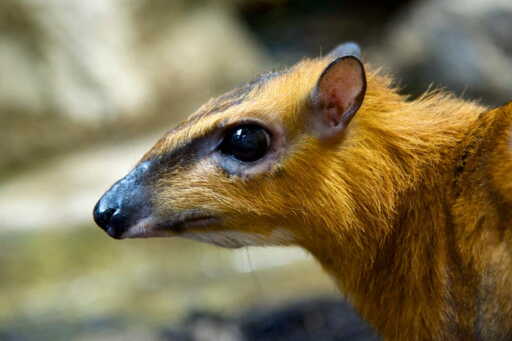
Rabbit-sized, nocturnal and elusive, the greater mouse-deer hadn’t been seen in Singapore for more than 80 years. Researchers long presumed it was locally extinct. In 2008, however, researchers confirmed sightings of the pint-sized ungulates, Tragulus napu, on Pulau Ubin, a 10-square-kilometer (4-square-mile) island in the Johor Strait that separates Singapore’s main island from Peninsular Malaysia to the north. The team quickly set up a monitoring program to learn more about the small population. They expected to see numbers slowly recover as new suitable habitats became available thanks to ongoing forest restoration programs on the island. But the scale of what they recorded over the next 15 years astonished them. “I had to perform the analyses multiple times and check my data to be sure there was no mistake,” Marcus Chua, curator of mammals at the Lee Kong Chian Natural History Museum at the National University of Singapore, told Mongabay. In a new study published in Biological Conservation, Chua and his colleagues document a fivefold increase in the population density of greater mouse-deer on Pulau Ubin between 2009 and 2024. By 2024, the mouse-deer population density was three times higher than previously recorded anywhere in the species’ range. While the rehabilitation of forest habitats will have given the mouse-deer an initial boost, the researchers conclude the most dramatic surge was triggered by the outbreak of African swine fever (ASF) in 2023. The virus, which is infectious and deadly to wild and domestic pigs, wiped out more than 98% of Singapore’s wild…This article was originally published on Mongabay
From Conservation news via this RSS feed
You must log in or # to comment.