

This is an edition of The Atlantic Daily, a newsletter that guides you through the biggest stories of the day, helps you discover new ideas, and recommends the best in culture. Sign up for it here.
The president of the United States can expect to face tough questions, but one that ABC’s Rachel Scott asked Monday wasn’t among them. In fact, it was nothing more than a recitation of his own words. “You said you would have no problem with releasing the full video of that strike on September 2 off the coast of Venezuela,” Scott began. President Donald Trump immediately snapped at Scott: “I didn’t say that. You said that. I didn’t say that. This is ABC fake news.”
In fact, as Scott reminded him, that’s exactly what he said. “I don’t know what they have, but whatever they have, we’d certainly release. No problem,” he said on December 3 in the Oval Office. After Scott pointed that out, Trump shrugged it off, as though he’d simply forgotten. Perhaps this was willful obfuscation. But moments of apparent forgetfulness—whether one calls them senior moments, wandering attention, or spacing out—have been happening a lot recently.
In late October, Trump said he received an MRI. For valid reasons, this has raised questions: MRIs aren’t a routine part of annual physicals, and the president’s most recent physical was way back in April; his doctors’ public disclosures about his medical exams have often been vague but full of puffery; he’s been seen with bruises, makeup, and bandages on his hands, which the White House has attributed to frequent hand shaking and his use of aspirin. Voter concerns about the health and vigor of his predecessor, Joe Biden, were one reason that Biden was forced into a late withdrawal from the 2024 presidential race.
Rather than quiet these concerns with transparency, however, the Trump administration played coy for weeks. When Trump was asked about the MRI on November 14, he insisted both that he didn’t know what it was about and that it had a great result: “I have no idea what they analyzed,” he told reporters. “But whatever they analyzed, they analyzed it well, and they said that I had as good a result as they’ve ever seen.” When pressed more recently, he continued to brag that he had “aced” a test designed to assess baseline cognitive function, as though it was an IQ test—a boast that raises more questions than it answers. When the president’s physician eventually released a letter about the procedure, which referred to his October scan only as “advanced imaging,” it was similarly heavy on superlatives and light on detail. (That’s a contrast with the practice prior to Trump’s first term, when administrations publicly shared more medical information. When George W. Bush went through MRI machines during his presidency, for instance, the White House explained that they were intended to understand the reasons for a sore shoulder in one case and assess possible damage to his knees in another.)
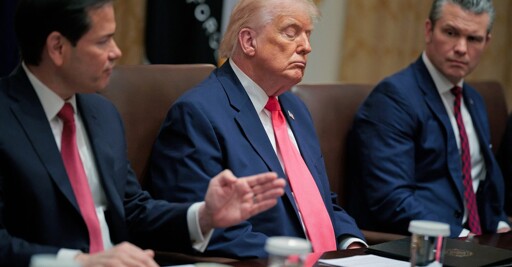
Trump has always seemed more interested in the pomp of his office than in doing the actual work, but he’s begun expressing lack of interest more physically in this term. Last week, Trump appeared to doze off repeatedly during a Cabinet meeting at the White House. To be fair, these are boring events: I am also not interested in sitting through several hours’ worth of secretaries and aides delivering obsequious praise, but they’re doing it for his benefit. If he wants more efficient meetings, he has the power to make it so. During one moment, Secretary of State Marco Rubio prattled on about how only Trump could achieve a cease-fire in Gaza. Trump himself slumped slowly forward with his eyes closed, then sat up before his eyelids fluttered again. The president did rouse himself at the end of the meeting, finding the energy for a racist rant about Somalis.
This is not the first instance of Trump appearing to nap during public meetings, as The Washington Post reported last month. When he repeatedly snoozed during his Manhattan trial, last spring, it was a curiosity—especially for someone who had previously seemed so high-energy. But as I wrote at the time, it was also a warning: Was a man who couldn’t stay awake for his own felony trial, during the middle of the day, prepared for the rigors of the presidency? We now have some sense of the answer (and we might also wonder whether he’s even worse at staying awake during meetings that aren’t public).
As my colleague Jonathan Lemire reported recently, Trump has also pulled back on his once-impressive schedule of campaign-style rallies. His daily schedule of events has become narrower. He’s becoming isolated and cloistered; his late-night social-media sprees are not new, but they’ve become a larger part of his public communication. As with Biden, this withdrawal has led Trump to make political arguments that, as David Axelrod writes, are disconnected from reality.
The stranglehold that the elderly have on American politics makes assessing Trump’s struggles without referring to his age impossible. That’s especially true after the Biden debacle. Trump invited the comparison by referring to Biden as “Sleepy Joe,” an epithet he might regret if he continues to drift off in Oval Office meetings. Trump is 79, making him the oldest American president at the time of inauguration. Although polling in 2024 showed that large majorities of Americans believed that Biden was too old to be president, significant numbers believed that Trump was too. In February of last year, for example, an ABC News / Ipsos poll found that six in 10 Americans felt that both men were too superannuated to serve.
What was most troubling about Biden, however, was not his age per se, but its symptoms: the stiffness, the apparent fatigue, and especially the meandering answers he delivered during his debate with Trump in June 2024. The same is true of Trump now. If another president were in his 50s or 60s and seemed unable to remember the details of such an important story as the boat strikes, didn’t know why he’d had a lengthy medical examination, and appeared to routinely doze off during high-profile meetings, the public would have understandable questions about his capacity to do the job. Trump has never displayed the temperament to serve as president, and now he is showing signs that he’s lost the physical stamina too.
Related:
The bubble-wrapped presidentThe Democrats must confront their gerontocracy.
Here are three new stories from The Atlantic:
Can Jollibee beat American fast food at its own game?David Brooks: The neocons were right.The Trump administration actually backed down.
Today’s News
President Donald Trump will hold a rally to promote his efforts on affordability and inflation reduction in a key Pennsylvania swing district that Democrats are targeting ahead of next year’s midterms.The Trump administration reached a settlement with seven states that could dismantle former President Joe Biden’s student-loan-repayment plan. Roughly 7 million borrowers will need to switch to a new plan if a federal court approves the deal.A federal judge granted the Justice Department’s request to unseal grand-jury records from the Ghislaine Maxwell investigation, citing a new law signed by Trump requiring the public release of all Epstein-related files by December 19.
Dispatches
The Weekly Planet: Donald Trump has fallen in love with Japan’s adorable micro-cars, Patrick George writes. Do Americans actually want them?
Explore all of our newsletters here.
Evening Read
Tyler Kaufman / Getty
The Most Egregious Double Standard in Sports
By Jemele Hill
In college football, one rule seems to always hold: When a player leverages his power, it’s a scandal. When a coach does the same thing, it’s just business as usual.
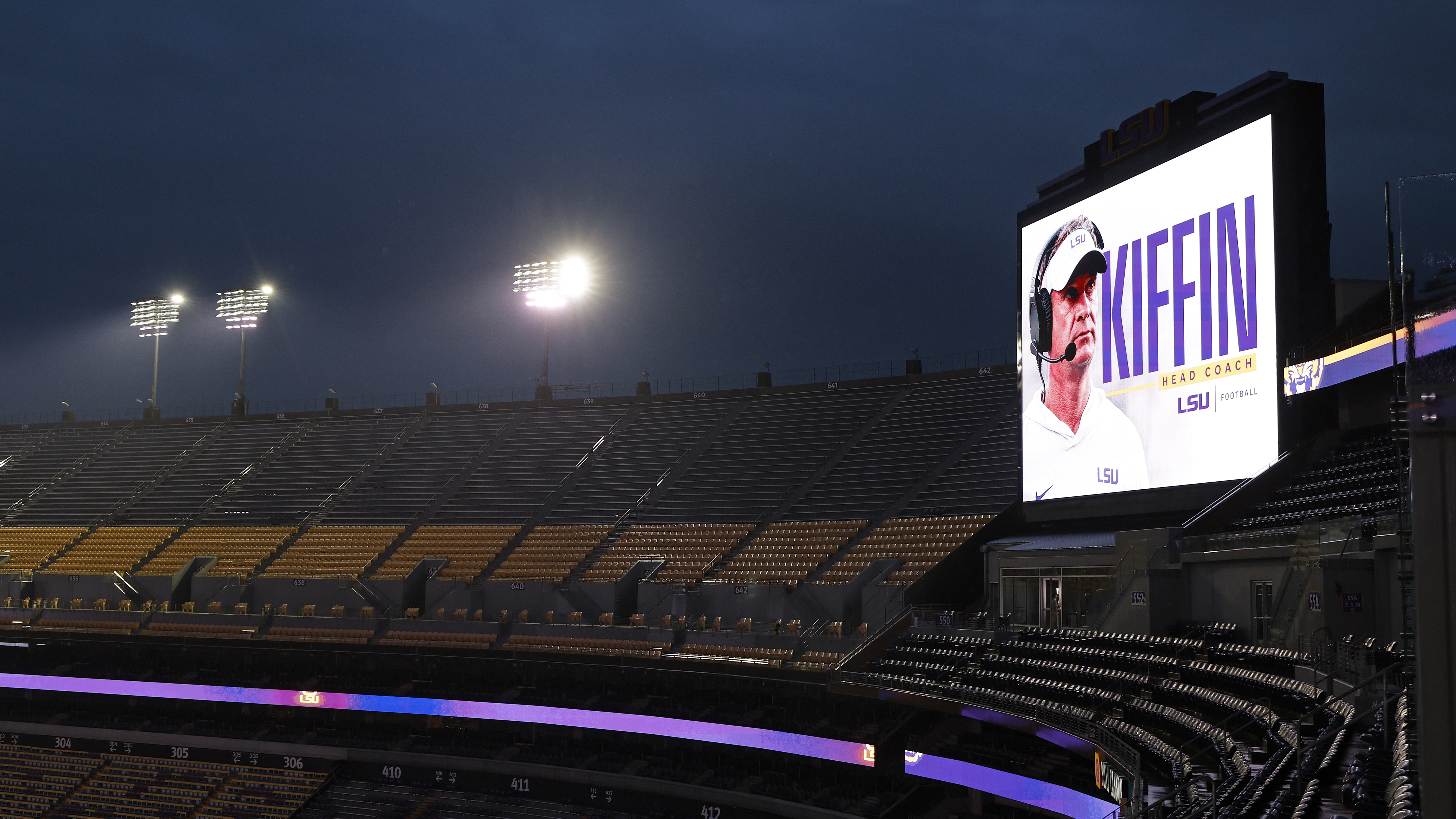
That dynamic is now playing out in the response to the decision of the longtime University of Mississippi coach Lane Kiffin to leave the team to become the new head coach at Louisiana State University. Kiffin led Ole Miss to a historic regular-season record of 11 wins and one loss, and the university is now poised to make its first-ever College Football Playoff appearance. The Rebels have a real chance of winning a national championship. LSU’s seven-year, $91 million offer was apparently enough to put all of that in jeopardy.
More From The Atlantic
Is this the end of OpenAI’s supremacy?USAID hired the right-wing influencer responsible for its decimation.When leaders mistake brutality for strength“Sudan is a good place to wage peace.”Rage bait is a brilliant word of the year.Pete Hegseth is seriously testing Trump’s “no scalps” rule.
Culture Break
Illustration by Shawna X
Watch. Here are the 10 standout films that helped cinema survive another turbulent year, David Sims writes.
Reminisce. To understand Frank Gehry, who died on Friday, look past the titanium showpieces that made him a household name to see his best work, Carolina A. Miranda writes.
Rafaela Jinich contributed to this newsletter.
When you buy a book using a link in this newsletter, we receive a commission. Thank you for supporting The Atlantic*.*
From The Atlantic via this RSS feed