

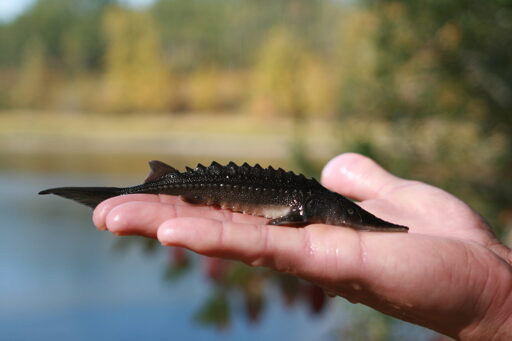
Following up on a tip to the state’s poaching hotline, game wardens in California rushed to a popular fishing spot, Clifton Court Forebay, in the Sacramento-San Joaquin River Delta. They’d received a tipoff about an individual allegedly catching a green sturgeon (Acipenser medirostris) and stuffing it in his SUV. They tracked down the suspect using photographs submitted by the tipster. The fish was in the back of his vehicle, barely alive. The wardens quickly issued a citation and rushed the 165-centimeter (65-inch) ailing sturgeon to the nearby marina. For 90 minutes, they worked to revive the fish. They submerged it in the water and, crouching on the boat ramp, rocked the animal back and forth to run water through its gills and provide oxygen as if it were swimming. At last, the fish rallied and swam away, presumably healthy enough to survive. This was in 2022, but it’s far from an isolated incident, noteworthy because it had a happy ending. California’s Department of Fish and Wildlife (CDFW) officers periodically discover anglers taking sturgeon illegally, as they did while patrolling the Sacramento River early this year, when they spotted two groups of suspected sturgeon poachers. Each had caught a large fish and tied it off some 91 meters (100 yards) away in a seeming effort to conceal it. But the wardens weren’t fooled. They seized the fish and set them free. In California, and worldwide, poachers target sturgeon for their eggs, which become a coveted delicacy when processed into caviar. Caviar…This article was originally published on Mongabay
From Conservation news via this RSS feed
You must log in or # to comment.