

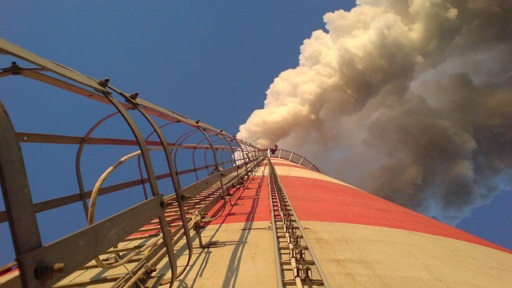
As the world desperately searches for a way out of its global climate change and plastic pollution crises, nations are increasingly turning to burning municipal waste to make fuel as a solution to both problems. One approach, dubbed refuse-derived fuel (RDF), processes, packages and burns conglomerated combustible organic waste with large amounts of potentially hazardous plastics in order to make fuel to produce heat or electricity. RDF is an escalating global trend causing concern among environmental experts due to its potential climate, pollution and human health impacts. RDF is typically made up of around 50% plastic waste, which is combined with other combustible materials like wood, cardboard and textiles. The mixed waste is processed via drying and shredding, with the resulting materials then burned in so-called waste-to-energy incinerators, cement kilns, or other industrial facilities such as paper mills. Proponents argue that burning waste is an effective way to simultaneously reduce landfilling and plastic pollution, while cutting greenhouse gas emissions, as it’s a substitute for fossil fuels. Advocates have even marketed RDF as a circular economy solution. Critics aren’t convinced. They say that incinerating RDFs, with their high plastic content, is akin to swapping out one dirty fuel source for another, resulting in the release of significant greenhouse gases, along with harmful particulate and chemical pollutants, including dioxins, a potential byproduct of burning plastics. “Our concerns about [RDF] relate to the fact that plastic consists of polymers that are mixed with many, many different chemicals,” says Lee Bell, technical and policy…This article was originally published on Mongabay
From Conservation news via this RSS feed
You must log in or # to comment.