

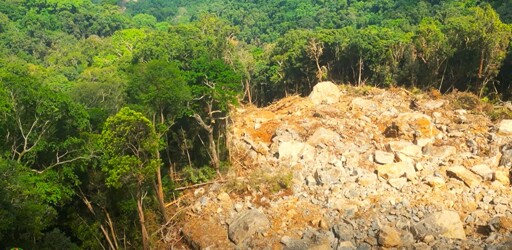
COLOMBO — Two weeks after Cyclone Ditwah struck Sri Lanka, the actual environmental cost of the disaster remains largely unknown, as immediate priorities were human safety, relief and recovery. The worst impact of the cyclone’s downfall is borne by the country’s Central Highlands, recording at least 640 deaths — the highest number of deaths due to the cyclone — with another 221 persons still missing, according to the island’s Disaster Management Centre (DMC). Sri Lanka’s Central Highlands are the elevated mountainous region located in the central part of the island. This region is among the country’s most ecologically, hydrologically and culturally significant landscapes and includes some of the highest peaks, rich forests and important wildlife habitats boasting of high endemism. Early field observations by forest officers, wildlife staff and community monitors indicate the damage across these biodiversity-rich landscapes to be extensive. According to Pradeep Samarawickrama, an independent researcher and environmentalist, the Knuckles Mountain Range, a UNESCO-listed biodiversity hotspot, experienced some of the worst ecological impacts, with several major landslips reported. “Access roads to the remote areas are still blocked, so we have yet to conduct a full assessment of the situation. But the devastation is evident,” Samarawickrama tells Mongabay. Vegetation surrounding Glenfall waterfall. Picturesque water cascades in the Central district of Nuwara Eliya, which was impacted by intense rainfall during Cyclone Ditwah, with the topsoil washed away leaving slopes fully exposed — conditions that could seriously hinder natural forest regeneration. Image courtesy of Jinapriya Gallage. Fragile ecosystems under threat One…This article was originally published on Mongabay
From Conservation news via this RSS feed