

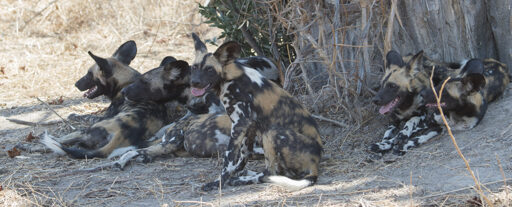
A global system dubbed the “internet of animals,” which tracks wildlife via satellite, is one step closer to becoming a reality. Project ICARUS, an initiative that taps into advances in wireless sensor technology, has resumed operations after a three-year hiatus. In late November, a satellite carrying an ICARUS receiver was launched into space. Short for International Cooperation for Animal Research Using Space, ICARUS aims to create a global network that tracks individual animals fitted with sensors. “It’s a global collaboration of scientists trying to understand animal movements and the information from animals,” Martin Wikelski, director at the Germany-based Max Planck Institute of Animal Behavior, who envisioned and leads the project, told Mongabay in a video interview in 2024. The project hinges on tiny, lightweight trackers that scientists around the world have deployed on a wide range of species, from large mammals and sea turtles, to diminutive bats and migratory birds. The trackers measure crucial data including GPS-based location, acceleration, temperature, humidity, pressure and altitude, enabling scientists to track the movements, migrations and behaviors of these animals. Migrating bats Image ©Peter J. Hudson. Tracking tags have been around for years. However, what makes ICARUS stand out is the ability to bring together the tracking of myriad species from around the world under one project. This allows scientists to also observe how animals are interacting with one another and with their environments, giving them access to nuanced and incredibly specific data for wildlife conservation and biodiversity protection purposes. “This is really grasping…This article was originally published on Mongabay
From Conservation news via this RSS feed
You must log in or # to comment.