

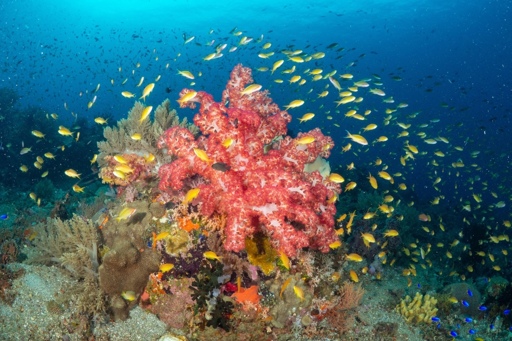
Climate change is pushing coral reefs to the brink. A new scientific report warns that the world has already crossed its first climate tipping point, and reefs could face long-term decline unless global warming slows dramatically. But despair is not the only option. In the Philippines, new marine protections prove that communities and governments can act with urgency, creating pockets of resilience that give reefs — and the people who depend on them — a fighting chance. Nestled in the heart of the Coral Triangle, one of the most biodiverse marine regions on the planet, Panaon Island is a jewel of the Philippines’ natural heritage. Its vibrant coral reefs teem with life, forming a seascape where marine species thrive in dazzling color and size. With coral cover reaching 60% — three times the national average — these reefs provide vital habitat for marine life, from whale sharks and sea turtles to the endangered Philippine duck. Seagrass meadows and mangrove forests further enhance the island’s ecological value, while protecting the coastline from storm surges and serving as nurseries for fish stocks that sustain local communities. The reefs of the Coral Triangle are immensely rich. Image by Jeff Britnell / Coral Reef Image Bank. Despite its biodiversity, Panaon Island faces growing threats. A 21-day expedition by global ocean conservation organization Oceana revealed alarming evidence of illegal and destructive fishing, plastic pollution suffocating corals and wildlife, and infestations of crown-of-thorns starfish, an invasive species that can decimate reefs. Combined with the escalating impacts…This article was originally published on Mongabay
From Conservation news via this RSS feed