

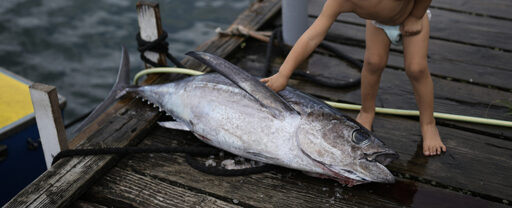
Much of the world’s albacore tuna catch, which usually ends up in a can, comes from the southwestern Pacific Ocean, where fishery managers just passed a new set of conservation rules. The parties to the Western and Central Pacific Fisheries Commission (WCPFC), a multilateral body that sets fishing rules for an area that covers nearly 20% of the planet, adopted a harvest strategy for South Pacific albacore at their annual meeting, held Dec. 1-5 in Manila, the Philippines. Harvest strategies set near-automatic scientifically advised catch limits or other control measures in response to fluctuating fish stock levels; they’re considered a best practice in fisheries management because they reduce commercial or political influence. South Pacific albacore is one of two albacore (Thunnus alalunga) stocks in the WCPFC; the other is North Pacific albacore, which isn’t fished as much. “This is a great move for the WCPFC,” Dave Gershman, a senior officer for international fisheries at The Pew Charitable Trusts, a U.S.-based think tank, told Mongabay after attending the meeting. “This is a critical step to ensure the sustainability and stability of the top Pacific albacore fisheries.” Gershman noted that the harvest strategy was a “long time in the making” and had been “discussed for many, many years.” The parties discussed, but didn’t adopt, new rules on transshipment, or the ship-to-ship transfer of fish and other goods at sea, a practice that’s been linked to illegal and unsustainable fishing and other illicit activity. Glen Joseph, director of the fishing ministry of the…This article was originally published on Mongabay
From Conservation news via this RSS feed
You must log in or # to comment.