

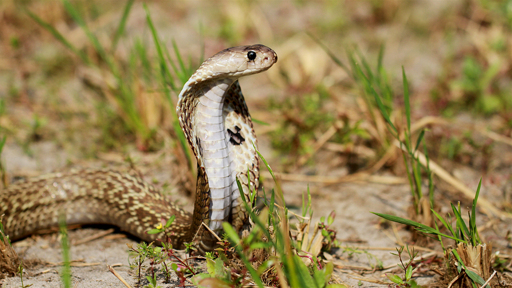
On Nov. 1, in a residential area of Bangladesh’s bustling capital city, Dhaka, the NGO Bangladesh Animal Welfare Association rescued two adult Padma Gokhra snakes (monocled cobra, Naja kaouthia) along with seven snakelets and 17 eggs. In October, the NGO had rescued a Khoiya Gokhra snake (spectacled cobra, Naja naja) from a garden in the city’s Uttara residential area. Meanwhile, according to media reports, the government and private agencies have rescued 351 snakes from various densely populated areas from January to Nov. 1 this year, mostly from Dhaka and its surrounding areas. Consequently, the city’s residents have expressed worry and anxiety over the news of so many snakes being rescued from residential areas recently. According to a recent study, 89 snake species are found in Bangladesh. Of them, 30% are venomous. The study also mentioned that most snakes in Bangladesh are found in forests, wetlands and open areas, including rural homestead gardens, except for an insignificant number that inhabit urban areas. Experts that Mongabay spoke with said they fear that excessive unplanned urbanization is playing a major role in exposing snakes to humans, as the species is losing its habitat due to reduced waterbodies and the loss of shrubs, among other reasons. Bangladesh Animal Welfare Association rescued two adult monocled cobras along with seven snakelets and 17 eggs in November. Image courtesy of Bangladesh Animal Welfare Association. Destruction of habitats Md Sohel Rana, a herpetologist at Bangladesh Forest Department’s Wildlife Centre, Gazipur, told Mongabay, “Reduced waterbodies, deforestation, industrialization, urbanization and…This article was originally published on Mongabay
From Conservation news via this RSS feed
You must log in or # to comment.