

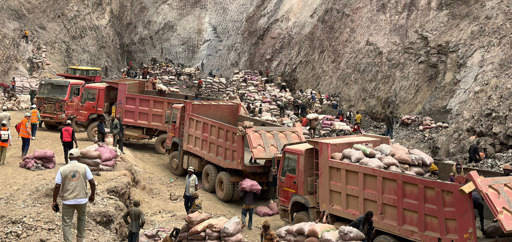
A study published in Nature Reviews Biodiversity in September describes the extensive environmental toll of mining for minerals needed for a transition to green energy. The direct, site-level impacts are well known — deforestation, soil degradation, contamination of water bodies — with impacts on nearby settlements and wildlife habitat. “A truly just energy transition must align climate action with conservation and social equity,” Aurora Torres, an ecologist at the University of Alicante in Spain and co-author of the study, told Mongabay. Projections indicate that demand for energy transition minerals is expected to increase sixfold between 2020 and 2040. However, a 2023 analysis suggests that expanded mining to meet this demand would still require less mining overall than the current fossil fuel-based system. Analysis by the study’s lead author, Bora Aska, a researcher at The University of Queensland’s Sustainable Minerals Institute, found that production of construction materials has a significantly higher impact than the direct extraction of transition minerals themselves. As an illustration, concrete requires the mining of large quantities of raw materials such as sand, gravel and limestone. Still, the extraction of resources for low-carbon development without causing harm presents a challenge. “If the transition is not managed properly, there could be significant consequences for biodiversity and local communities,” Andy Symington, a specialist in business and human rights for accounting giant KPMG Australia, told Mongabay. “A lot of mineral stores have already been depleted, so the ones we have left are often in remote areas, often on Indigenous territories or…This article was originally published on Mongabay
From Conservation news via this RSS feed
You must log in or # to comment.