

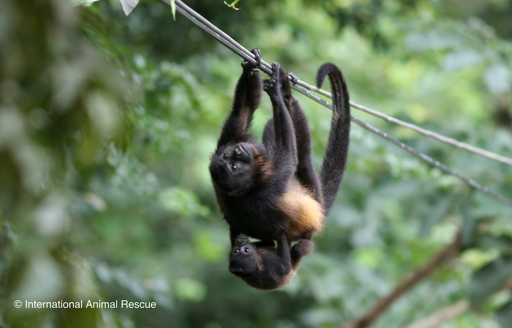
Costa Rica is world-renowned for its commitment to preserving biodiversity and wildlife. The country’s fervor to protect its ecosystems recently earned it the Earthshot Prize for Protecting and Restoring Nature, a significant international recognition for environmental protection. However, even a country as environmentally conscious as Costa Rica apparently cannot steer clear of the ongoing spread of urbanization and deforestation that threatens local wildlife. As forests and jungles give way to new homes and roads, animals are forced to adapt to their new surroundings and human neighbors. A vast and deadly obstacle in this process is electrical wires and transformers, which cause fatal wildlife electrocutions. This deadly problem is primarily caused by the fact that most of Costa Rica’s electrical infrastructure is installed aerially using conductive materials that lack insulation (e.g., aluminum conductors without protection). Combined with the high voltages carried by these wires, this creates a highly hazardous situation, putting any living being at risk of electrocution when coming into contact. As animals face intrusions into their natural habitats and need to move, they begin using electrical wires like they typically use tree branches, particularly when crossing roads. Combining constant contact with high-voltage power lines, it is therefore not difficult to believe that electrocution is one of the biggest causes of wildlife deaths in Costa Rica. In particular, 6,262 reported cases of wildlife electrocution happened just between June 2022 and June 2023, with the most affected species among mammals being squirrels, foxes, monkeys, kinkajous and sloths. A howler monkey traverses…This article was originally published on Mongabay
From Conservation news via this RSS feed