

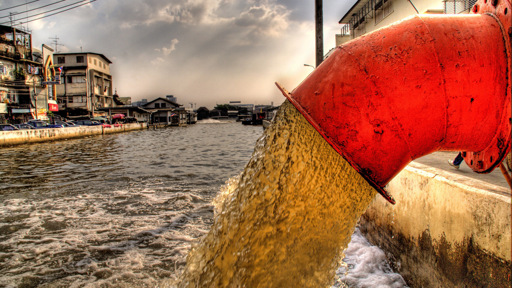
Earlier this year, a spate of deaths in Florida caused by Vibrio vulnificus, known as the flesh-eating bacteria, made headlines. Infections of this kind are troublingly on the rise as ocean temperatures surge higher and marine heat waves increase in frequency and intensity due to climate change. Experts are especially concerned that marine heat waves, when combined with an influx of pollution in coastal areas — especially untreated sewage and synthetic agricultural fertilizers — could be fueling the growth of harmful pathogens, including V. vulnificus. There are at least 12 species of Vibrio harmful to people, including V. cholerae, which causes cholera, a disease infecting 1.3-4 million people annually and killing 21,000-143,000. Humanity is significantly worsening cholera outbreaks by creating ideal conditions for V. cholerae growth and spread, via increased global temperatures, extreme weather (both floods and droughts) and contaminated water sources. It’s important to note that all these bacterial species occur naturally in marine environments. V. vulnificus and V. parahaemolyticus are two other pathogenic species of major concern today, while another, V. alginolyticus, is less well-known but also on the rise. Human activity, particularly climate change, is creating conditions for their growth and spread to new waters. Flooding in Florida caused by Hurricane Ian’s storm surge in 2022. In the week following that storm, 38 cases and 11 deaths were reported due to Vibrio vulnificus, the largest outbreak in U.S. history. Climate change made Hurricane Ian at least 10% worse than it would have historically been. The aftermath of…This article was originally published on Mongabay
From Conservation news via this RSS feed
You must log in or # to comment.