

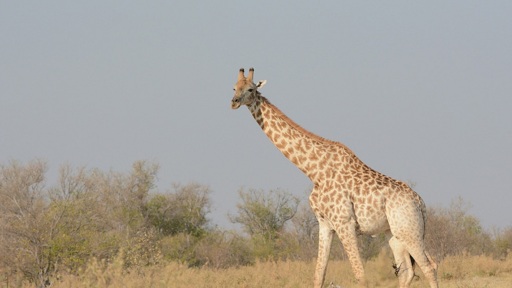
In the vast savanna grasslands of sub-Saharan Africa towers the giraffe, draped in mosaics of brown and tan patches. Long regarded as a single species, this iconic African megafauna was recently reclassified by the global wildlife conservation authority IUCN into four distinct species: the northern (Giraffa camelopardalis), reticulated (G. reticulata), Masai (G. tippelskirchi) and southern giraffe (G. giraffa). The tallest living land animal, giraffes wander the open grasslands of Tanzania, South Africa, Kenya and other African nations, as well as appearing in zoos around the world. But their genetic distinctness is largely limited to the wild, as many giraffes held in zoos are now known to be hybrids. Given the new discovery that giraffes aren’t one species but four, the scientific community remains split on how to proceed with conservation, especially in zoos. Hybrid giraffes and conservation A new study argues that excessive hybridization of captive giraffes in North American zoos diminishes their conservation value. The researchers analyzed the genetics of 52 such giraffes and then compared their genes to 63 wild giraffes in Africa. The results found that most giraffes in North America were of mixed ancestry, primarily between northern and reticulated giraffes. Only a few giraffes retained their species’ unmixed genetics. Alfred L. Roca, professor at the Animal Sciences Laboratory at the University of Illinois Urbana-Champaign and lead author of the study, said decades of interbreeding of giraffes in North American zoos has eroded their value as an insurance population. The study shows that offspring of genetically distant…This article was originally published on Mongabay
From Conservation news via this RSS feed
You must log in or # to comment.