

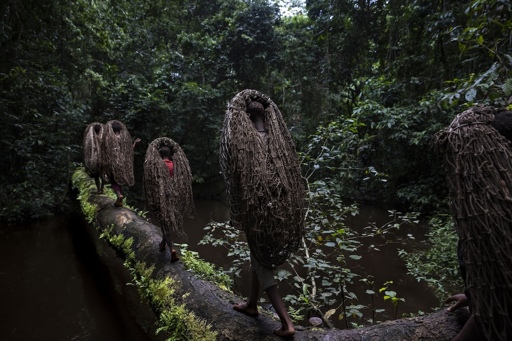
Protected areas (PAs) are cornerstones of global biodiversity conservation strategy, yet their social impacts remain contentious. The prevailing narrative often pits global benefits, like biodiversity protection and carbon sequestration, against local costs like restricted access to land and resources, particularly in lower-income nations. This antagonistic framing — the interests of local people vs. the interests of other people elsewhere (or of other species entirely) — can lead to polarized politics with respect to PAs. There are valid reasons for concern, as increasing recognition of the problematic historical legacy of many protected areas created on the African continent rooted in colonial alienation, as well as ongoing human rights concerns in several PA systems, make it clear that PAs can cause harm. Many conservation organizations now recognize that it is critically important that efforts to protect land simultaneously protect the rights and interests of people living there, especially those of Indigenous and local communities. Yet, if we want to protect local interests, we must first understand them. We don’t know as much as we need to about the ways that protected areas can, and do, serve the interests of the people living near them. Harm is often more evident than benefits, particularly in the case of acute episodes of violence or evictions, so much has been described about how protected areas can cause harm. The village of Bapukeli at the entrance of the Okapi Wildlife Reserve, Democratic Republic of Congo. Indigenous hunter-gatherers divide their time between villages like this and camps deep in the forest. Image by Thomas Nicolon for…This article was originally published on Mongabay
From Conservation news via this RSS feed
You must log in or # to comment.