

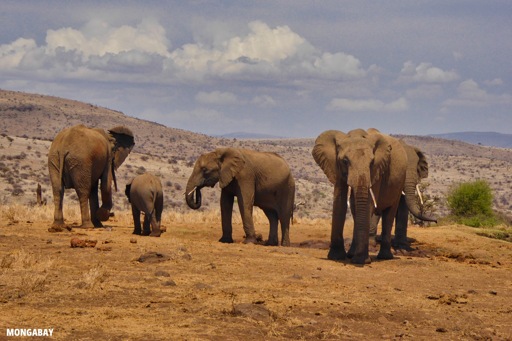
Kenya’s 2025 National Wildlife Census report has revealed a complex trend in wildlife: Populations of some iconic animal species are steadily growing, while other populations are declining or remain stagnant. At the launch of the report, compiled by the Wildlife Research and Training Institute (WRTI), Kenya’s President William Ruto described the findings as “a mosaic of wins and urgent conservation emergencies.” The Dec. 11 launch brought together more than a dozen stakeholders in research and conservation. In the report’s recommendation the authors said the findings should shape policy for parks and community conservancies, by integrating “the national wildlife corridor mapping initiative and wildlife census data into national and county spatial and land use plans.” At the launch of the report the CEO of WRTI, Patrick Omondi said, “We also recommend acceleration of enactment and implementation of the Wildlife Conservation Bill (2025) and complementary amendments on the Wildlife Act, 2023.” The report highlighted a 4% increase in the populations of elephants as well as black rhinos (Diceros bicornis) and white rhinos (Ceratotherium simum), since the last census in 2021. The report estimates that Kenya is home to more than 40,000 elephants in the wild and just over 2,100 rhinos. Giraffe (Giraffa) species saw a 5.4% increase in their populations; at least 43,000 individuals were counted. Authorities attribute the growth to decades of efforts to end poaching in the parks, targeted translocation of the mammals, stricter law enforcement, community-led conservation and ecological connectivity. However, the census also revealed the vulnerability of some…This article was originally published on Mongabay
From Conservation news via this RSS feed
You must log in or # to comment.