

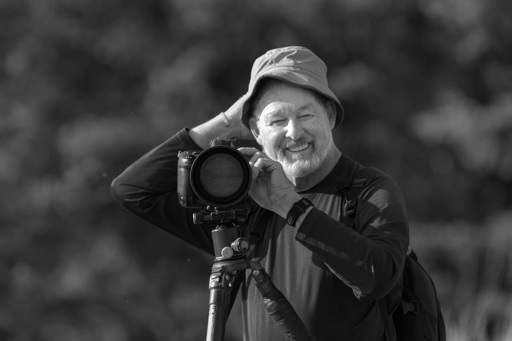
For much of the second half of the 20th century, the American outdoors attracted a particular kind of devotee. They moved easily between disciplines, took seasonal work without much concern for titles, and regarded time in wild places as both education and obligation. Their lives did not unfold along a single career ladder so much as along ridgelines and river corridors. What bound them together was not ambition but sustained attention to the landscapes they moved through. One of them belonged to a generation that learned its craft before the word “environmentalism” had hardened into a movement. He came of age among climbers and skiers who fixed their own gear, slept where they could, and absorbed lessons directly from terrain and weather. Institutions followed later, as did audiences. The ethic was formed earlier, by habit rather than theory. Jeff Foott died on December 3, aged 80, of a rare form of leukemia. He was a climber, a naturalist, and a photographer whose work helped shape how wilderness and wildlife were seen by a mass audience, particularly at a moment when those subjects were still treated as marginal. His path into that work was indirect, even by the standards of his time. As a teenager in Berkeley in the late 1950s, he worked at the Ski Hut alongside climbers who would later become fixtures of Yosemite lore. He fitted carabiner gates for Chouinard Equipment in exchange for gear and spent long stretches living simply so he could stay in the…This article was originally published on Mongabay
From Conservation news via this RSS feed
You must log in or # to comment.