

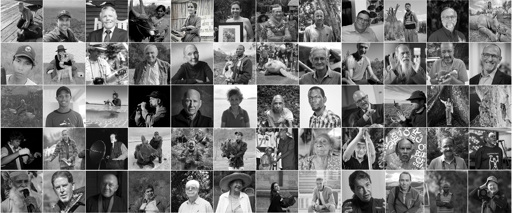
I write short obituaries for people who spent their lives protecting parts of the natural world. I work on them in the margins of other responsibilities, yet they have become a constant. In 2025, I produced over 70. The people I write about are often described as conservationists, scientists, activists, or defenders. Those labels are accurate, but incomplete. What unites them is not a profession so much as a posture: they stood between something living and the forces wearing it down. Forests. Rivers. Species. Sometimes entire ways of life. They did so for decades, usually without much recognition and often at personal cost. Some of the names will be widely recognized. Others will mean little to most readers. That imbalance is part of the point. Public memory tends to favor visibility over impact, and charisma over endurance. Yet many of the most consequential figures in environmental protection work far from cameras and conferences. They negotiate land boundaries, calm conflicts, train rangers, translate science, or stay when leaving would be easier. Their influence is cumulative, and it rarely lends itself to headlines. Writing about death has a clarifying effect. Obituaries strip away what is temporary. What remains is a record of choices. Again and again, the lives I wrote about this year followed a similar arc: an encounter with a place or species, a long commitment to its survival, and years of persistence within systems that were often indifferent or hostile. Success, where it came, was partial. Failure was common. Quitting…This article was originally published on Mongabay
From Conservation news via this RSS feed
You must log in or # to comment.