

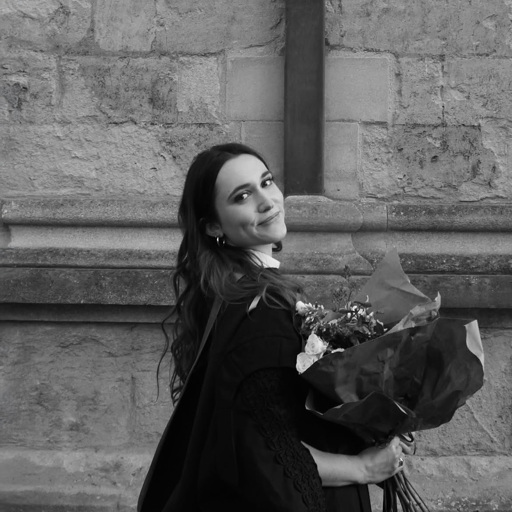
Founder’s Briefs: An occasional series where Mongabay founder Rhett Ayers Butler shares analysis, perspectives and story summaries. The risks of field science are usually described in abstract terms. Weather turns. Equipment fails. The sea does not always behave as expected. These dangers are well understood by those who work in and on the ocean, and they are rarely romanticized by the people who face them. Most accept them as the price of proximity to what they study. In recent years, the distance between research and spectacle has narrowed. Social media has rewarded scientists who can explain their work plainly and show it directly. This has brought new audiences to obscure species and neglected ecosystems. It has also placed young researchers, often far from institutional protection, in physically demanding situations that combine documentation, conservation, and exposure. Bethany “Bee” Smith belonged to this generation. She was 24 when she died in July during a freediving accident in Indonesia while working on a shark conservation project. Her death was sudden and, by all available accounts, medical in nature. It followed a dive to modest depth, in conditions she would have recognized. There is no tidy lesson in it, and no reason to pretend otherwise. She had already done the thing she set out to do. Earlier this year, after years of planning, permits, and failed attempts, she entered the water with a megamouth shark, one of the rarest large animals on Earth. Fewer than 300 have ever been recorded, most of them dead.…This article was originally published on Mongabay
From Conservation news via this RSS feed