

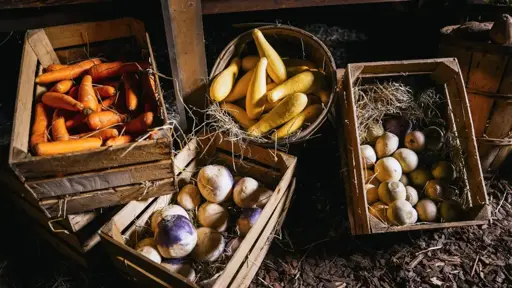
At the end of the year, the focus is on closing down the growing space. When it’s too cold outside, plants can’t grow without significant struggle and pampering. So it makes sense to put away the tools and harvest every crop. Winter storage needs a check and refresh, too.
The integrity of your cellar, cold storage, and your indoor food storage all determine how long the stored food is available to you. The cleanliness and condition of your equipment also dictate how future crops will grow. It’s important to take a minute to assess all of the above.
Don’t make the kinds of mistakes that will wipe out your efforts in short order. You already have plenty of elements outside your control. Use the time you’re not focused on tending to plants to attend to your storage and equipment. This sets you up for success in the coming season.
Storing Equipment Without Cleaning
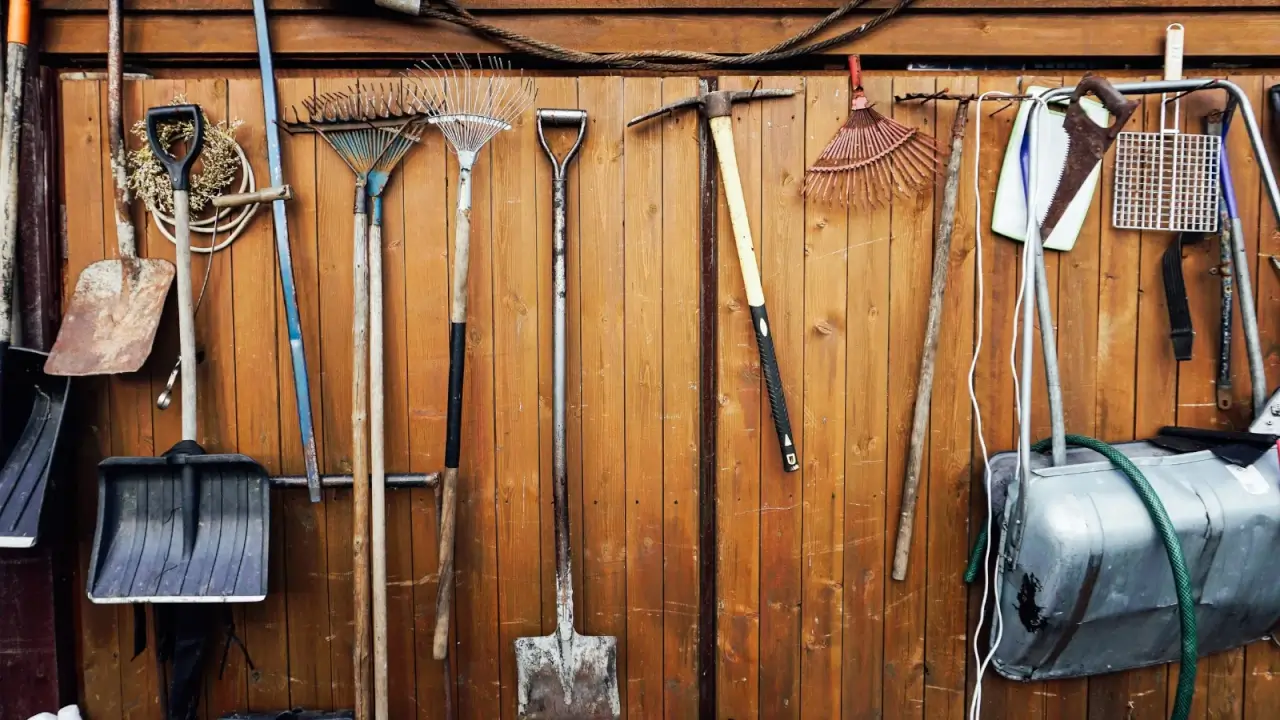
Proper care today keeps garden equipment running strong.
One of the most important things you can do before storing your tools is to clean and inspect them. Note any rust or debris. Remove it as necessary, and give blades and augers a deep clean. This prevents the potential spread of diseases in the spring.
You can find specialty cleaning solutions on the market, but many tools clean easily with vinegar and elbow grease. If you find a vinegar solution isn’t powerful enough, you have time to locate a stronger formula. Take time to sharpen any pruners, shovels, and loppers.
If you leave your tools in the state they’re in before you store them, you could cause damage to your harvest of an upcoming crop. Storing over winter isn’t just about food, it’s about equipment too!
Neglecting Cold Storage
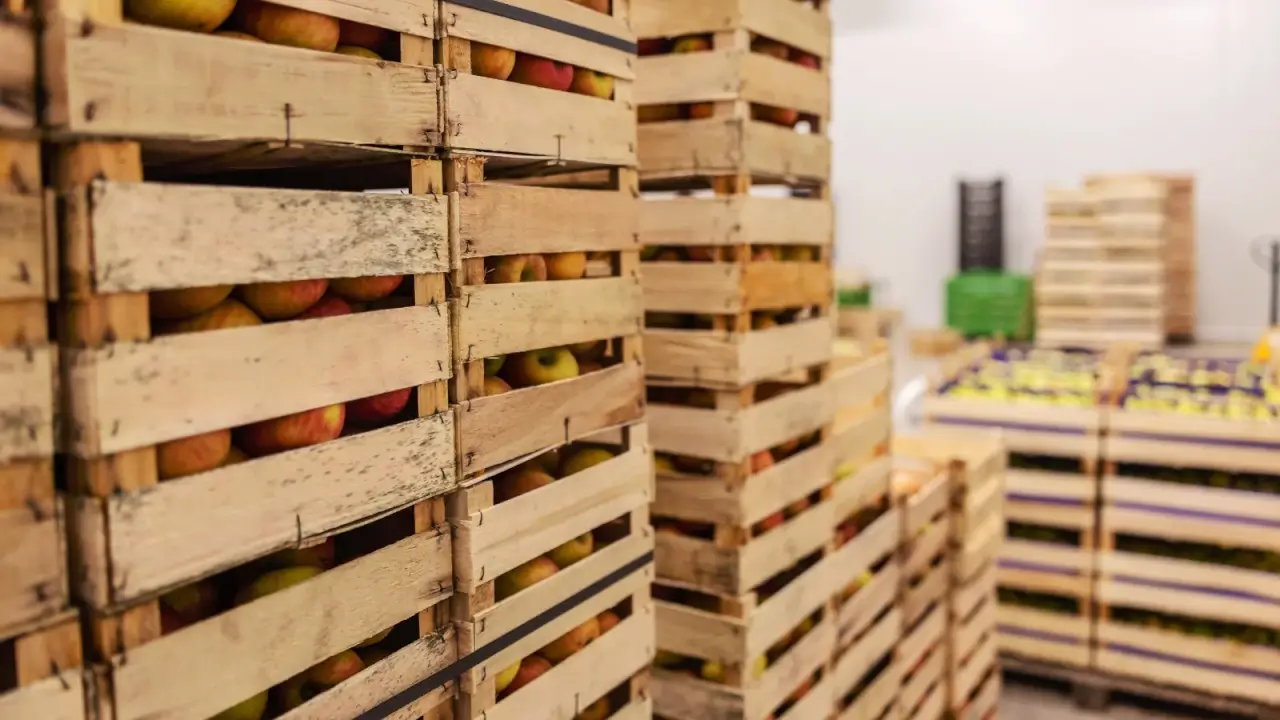
Cold rooms work best when checked before deep winter.
One of the worst things farmers can do is forget to check their cold storage. You want to ensure you have this at the ready for each root crop. This includes refrigerators, cellars, deep freezers, and warehouses. Ensure these are ready to go for the entire winter to keep those harvests in good condition.
Aboveground, check the foundation and the seal on your walls. If you’re working with motors and air compressors, look at those to determine if they need maintenance before the real cold sets in. Use a gauge to ensure the correct ambient temperature is present.
In root cellars, check your shelving and equipment, and deep clean it. You can carry this out in winter if you can access the cellar at that time. If you have solar-powered cold storage, make sure you’re getting enough sun to power it.
Forgetting to Rotate Out Old Crops
Fresh crops last longer when old ones are cleared.
If you leave an old and moldy harvest in your cold storage, you’re likely to spoil a subsequent crop. Your checks should include rotating out those old, spoiled crops. You don’t want to develop mold or mildew in one grain sack, only to have it spread to other crops and ruin everything stored there.
If you’re unsure when things tend to expire, consult a guide that gives you a general timeframe. Then remove everything that meets the time limit, and store your new crops. If you’re into organization, a calendar, or a list of necessary rotations helps a great deal.
Improper Sealing
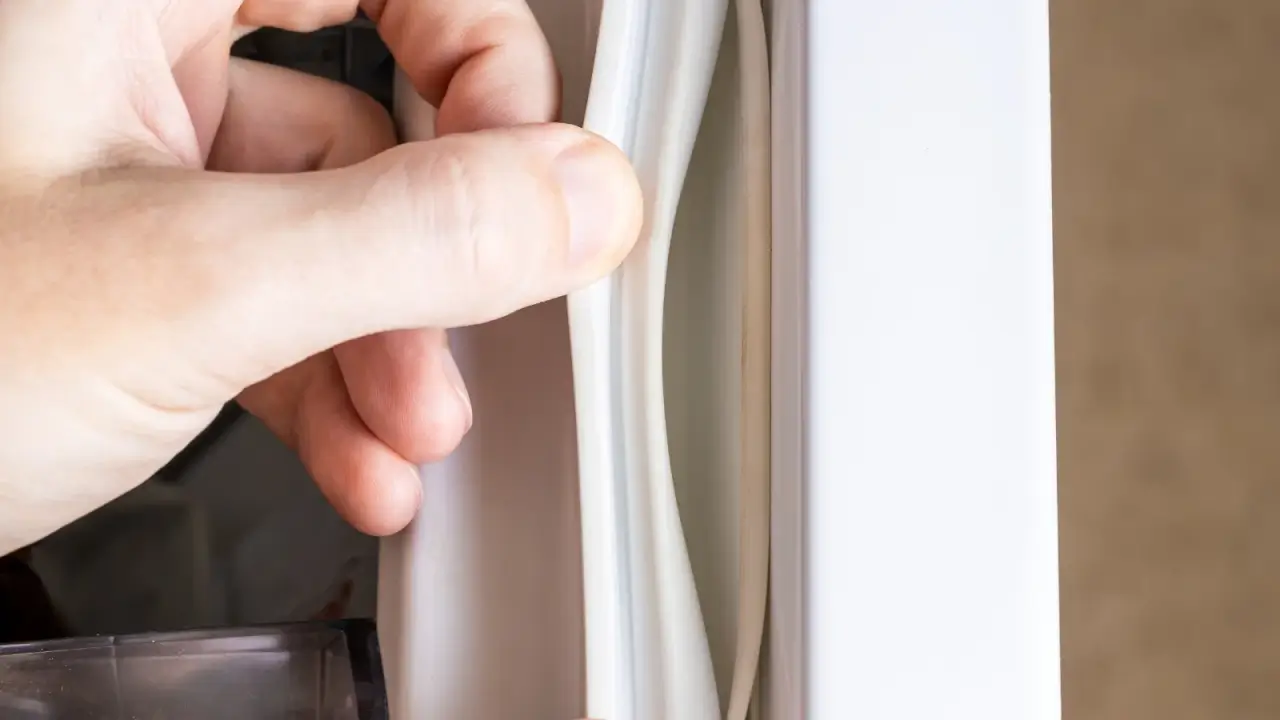
Check that areas are sealed well to prevent crop loss.
As you check out your aboveground facilities, make sure you’re properly sealed, or you could lose a cool, but not cold-hardy crop. Winter warehouses, containers, and refrigerators need a good seal to ensure more sensitive crops are stored to their fullest capacity.
If your storage isn’t properly sealed, you face the potential loss of money and effort put into a harvest, and you also face the extra money it costs to power something improperly sealed. It’s not worth the cost when the effort it takes to check is so small.
An unsealed container of grains is just asking for mice to get in and do their thing. The same goes for meal moths. Both of these are looking for warm places to be in winter, so double-check that each container is sealed.
Incorrect Humidity
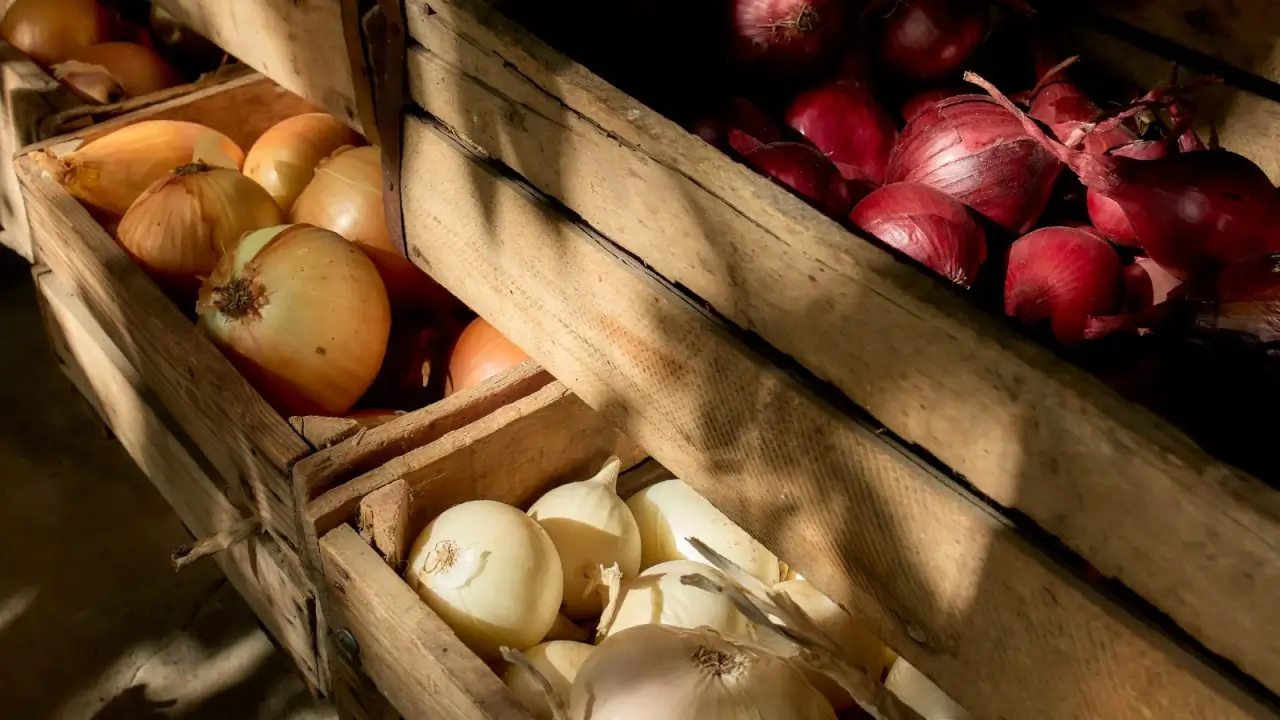
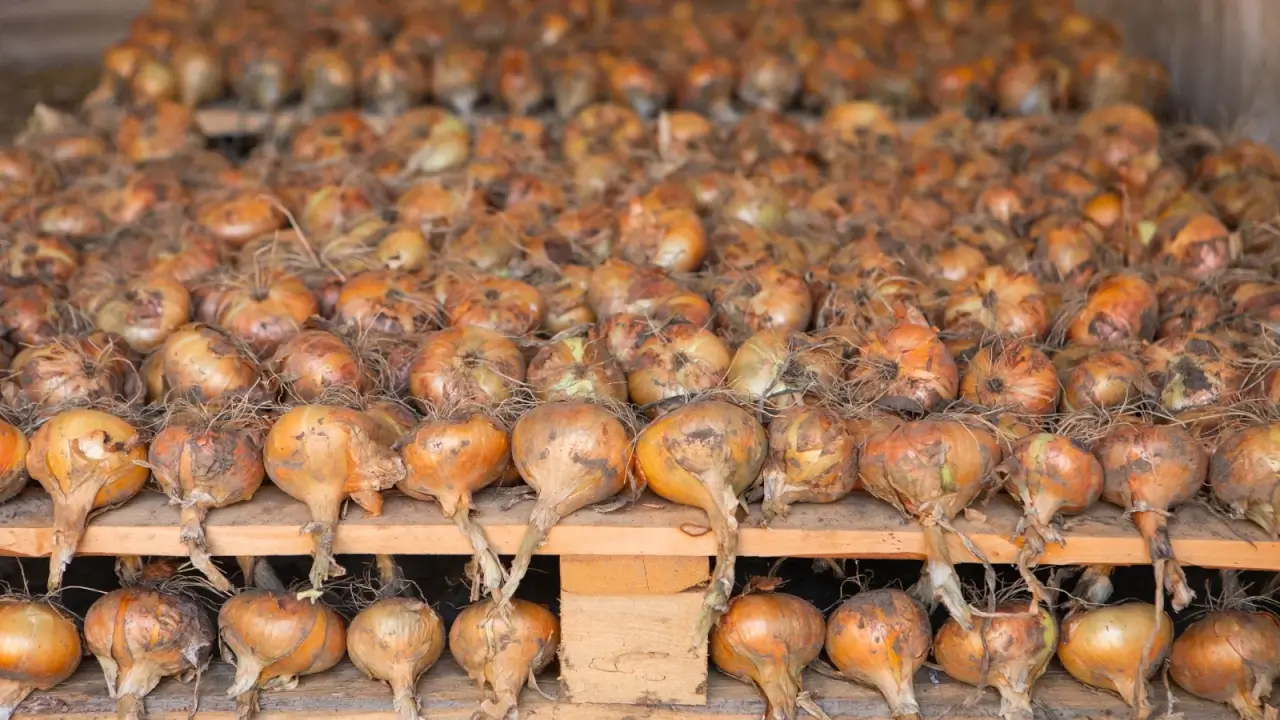
A quick check prevents mold or shriveling later on.
If you’re storing crops that need certain humidity percentages to keep, you don’t want to store them in a space with too much or too little. Fresh fruit, for instance, can take on pathogens in a too-humid environment. A lack of humidity negatively affects certain flower bulbs.
As you make a checklist of the maintenance needed for your farm, determine the humidity needed for each crop. Winter storage that doesn’t meet the relative humidity range can easily be adjusted with a humidifier or dehumidifier.
Storing the Wrong Produce Together
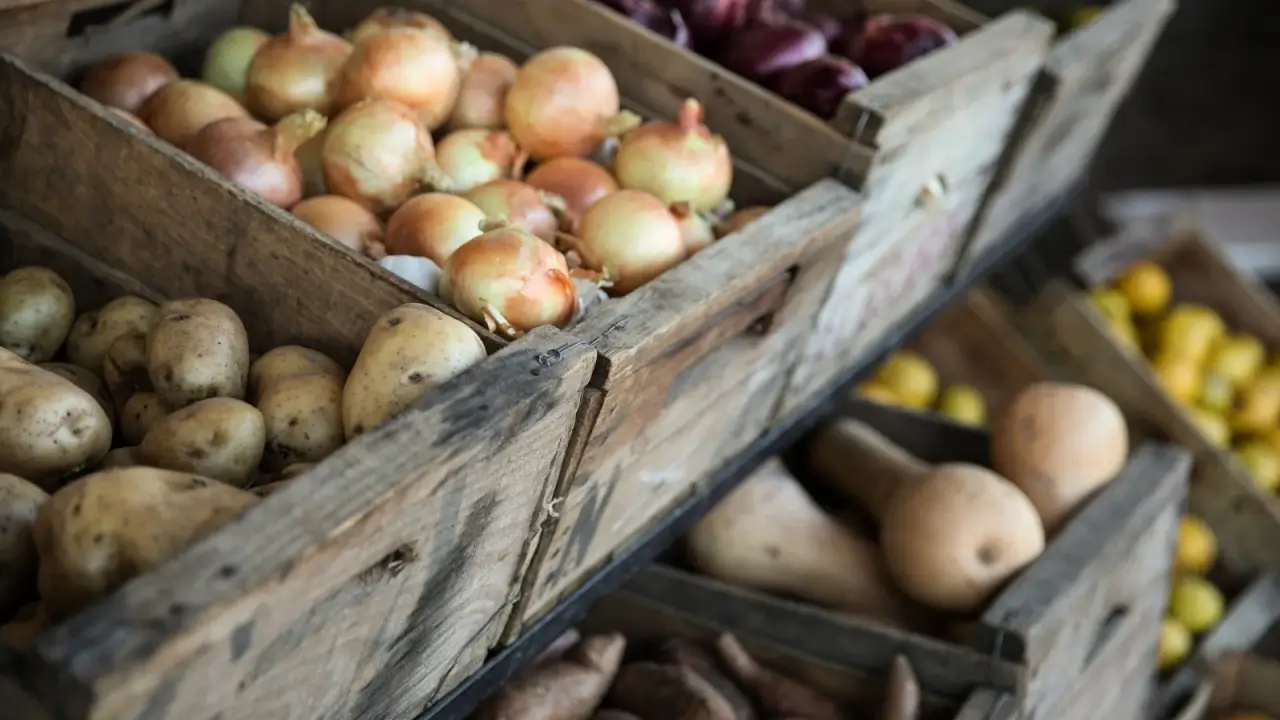
Ethylene producers quickly shorten the lifespan of tender vegetables.
For marketability and for shelf-life, keep certain crops out of the same space. Onions affect the taste of apples and potatoes, giving them a distinct oniony flavor. To keep as long as possible, cauliflower and lettuce need to stay far away from high ethylene producers like kiwis, melons, apples, and onions.
Melons need to be stored on their own, and so do grains. Most of the time, the necessary ambient temperature and humidity will prevent storing them with other harvests. But just in case, keep them on their own.
You can cause spoilage so much faster by storing the wrong things in the wrong space with the wrong companions.
Heavy Reliance on Cold Storage
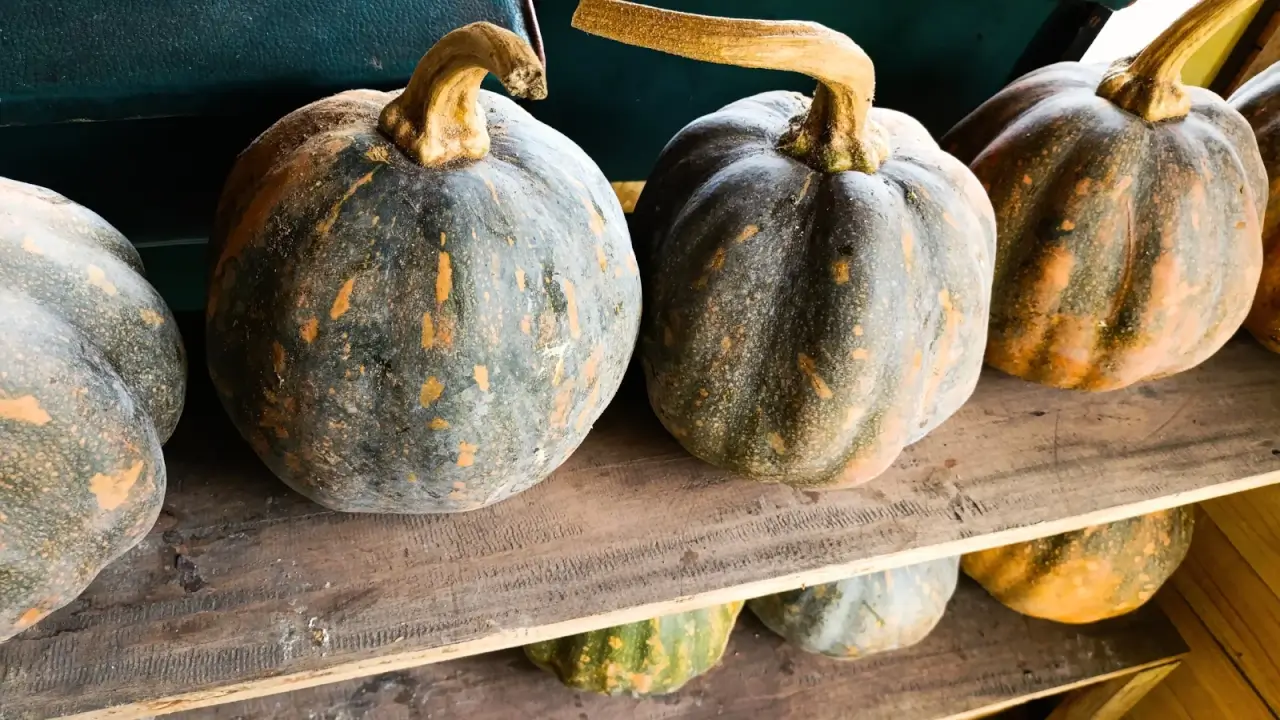
Some harvests thrive without cold storage.
You don’t need to have a cold space for every crop. Winter storage can be in your house, in a root cellar, or even in a climate-controlled area that isn’t cold. While certain crops really do need a cold space, not all of them do. To limit the potential problems, use diverse methods.
Cold storage (unless we’re talking root cellars) often comes with extra baggage, and that means more checking and double-checking to ensure the soundness of the containers and equipment. Simplify as much as possible to give yourself a little break through the seasons.
The Science of Cold Apple Storage
Why the apples you buy at the farmers market may be up to a year old and yet still taste delicious.
The post 7 Winter Storage Mistakes That Will Ruin Your Crops appeared first on Modern Farmer.
From Modern Farmer via this RSS feed
You must log in or # to comment.