

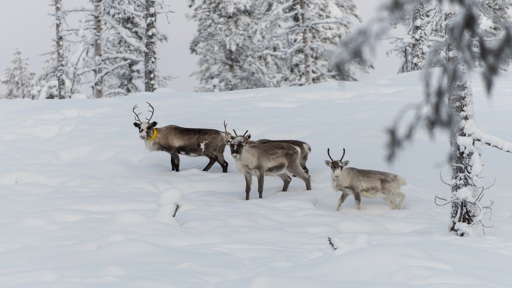
Sweden has granted the Australia-based battery anode and graphite company, Talga Group, the necessary permits to move forward with its Nunasvaara South graphite mine near Vittangi in northern Sweden. The move comes after the mine, backed by the E.U., went through a community consultation process and studies to reduce its impacts, and after the Swedish Supreme Court dismissed a series of appeals by Indigenous Sámi people and environmental groups. But various Indigenous Sámi leaders and activists are picking apart the company’s consultation process, studies and environmental safeguards as insufficient. According to the Saami Council and community land analysis, company plans to share the mining area with reindeer herders for half the year will leave some grazing lands unusable and disturb habitats and rivers with air pollution. Compensation plans, sources told Mongabay, include schools the community already has and the company made little effort to meaningfully dialogue with communities according to international law. The council is also concerned EU backing of the project as a strategic project has rushed the permitting process. “There are several groups in the community which will have nowhere to go in the winter,” Fredrik Prost, a Sámi artisan and handicraftsman from Viikusjärvi village, told Mongabay over a video call. “It might be the end for all of them or most of them. They have to stop herding.” In an email to Mongabay, Talga insisted it has redesigned the mine area to minimize the negative impact on nature. “We have engaged with the Sami villages on an…This article was originally published on Mongabay
From Conservation news via this RSS feed