

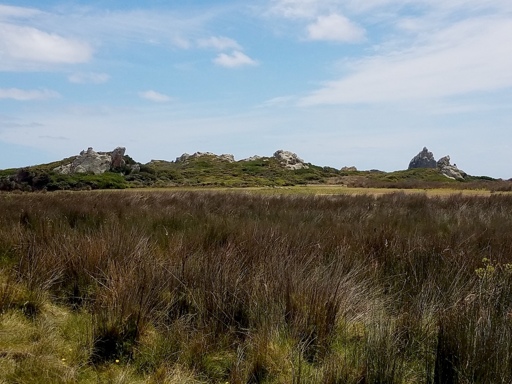
Australia’s main environmental law, the Environment Protection and Biodiversity Conservation Act 1999 (EPBC Act), has finally been rewritten. After years of warnings that the old law was “not fit for purpose,” parliament backed sweeping changes: national environmental standards, a new independent environment watchdog, higher penalties for breaches, and the closure of loopholes that had allowed native forest logging and large-scale land clearing to slip through federal oversight. These reforms respond to the 2020 Samuel Review, which warned that Australia’s nature laws were failing to stop habitat loss and biodiversity decline. But one of the most urgent failures of the old regime remains far from resolved: the marginalization of Indigenous authority. Aboriginal and Torres Strait Islander peoples, the custodians of Country for tens of thousands of years, are still consulted rather than empowered. Their ecological knowledge and cultural responsibility for land and water are not yet central to the decisions that shape Australia’s environmental future. Now that the overhaul has passed, the debate shifts from whether to modernize the act to a more important question: will this new system finally share power with First Nations, or simply rebuild an old architecture with the same blind spots? Australia’s Indigenous communities identify their territories with the proper term ‘Country.’ Tebrakunna Country is traditional land located in northeastern Tasmania. Image courtesy of Luggarrah. What Canada shows us Across Canada, Indigenous nations have moved beyond being observers in environmental decisions. They hold majority ownership in renewable energy, mining and infrastructure projects, backed by Indigenous loan-guarantee…This article was originally published on Mongabay
From Conservation news via this RSS feed