

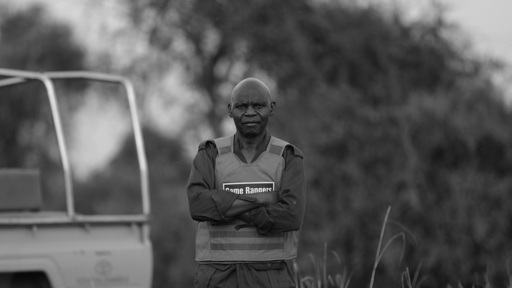
Founder’s Briefs: An occasional series where Mongabay founder Rhett Ayers Butler shares analysis, perspectives and story summaries. In much of Africa, conservation is discussed in the language of landscapes and species: elephant corridors, lechwe floodplains, and the slow arithmetic of births and deaths. On the ground, it is also a labor question. The work is done by people who walk long hours, sleep badly, work in dangerous circumstances, and carry responsibility that is rarely matched by pay, equipment, or public notice. A ranger can spend days without clean water and still be expected to make good judgments at night, under stress, against armed men, in places where help may be hours away. That gap between what the job requires and what it is given was one of the subjects that Neddy Mulimo returned to, with a mixture of pride and impatience. “According to a recent study, the average ranger works almost 90 hours a week. Over 60% have no access to clean drinking water on patrol or at outpost stations. And what’s more, over 40% regularly go without overnight shelter,” he wrote, arguing that better welfare was not charity but strategy. Funding, he thought, should buy competence and resilience as much as boots and rifles. Mulimo, a Zambian who spent roughly four decades in conservation, began far from the romantic idea of the bush. Growing up in Lusaka’s Matero township, he once wanted to be a truck driver. A school club changed the direction of his life. Later, a trip…This article was originally published on Mongabay
From Conservation news via this RSS feed
You must log in or # to comment.