

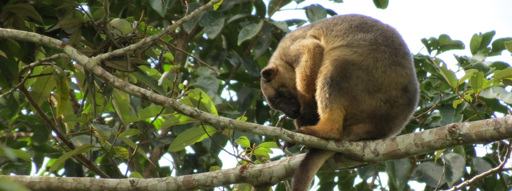
When it comes to capturing carbon, trees have always been our go-to. But a sinister switch is underway. A study published in the journal Nature reveals that moist tropical forests in Australia are now emitting more carbon than they capture. Researchers examined nearly five decades of forest monitoring data from the far northeast of Queensland state. Between 1971 and 2019, they tracked roughly 11,000 tree stems across 20 rainforest plots, measuring changes in the carbon locked away in trunks and branches. Around the year 2000, the study reports, the rate at which these forests absorbed carbon slowed and reversed, making them net emitters instead. It’s the first documented case of tropical forest woody biomass making this flip. “We analysed this long-term data and found a clear signal: woody biomass switched from being a carbon sink to a carbon source about 25 years ago,” the authors of the paper write in The Conversation. The core problem? Tree deaths have doubled compared to earlier decades, and new growth isn’t keeping pace. A famous strangler fig (Cathedral Fig) in Queensland, Australia. Image by James Niland / Flickr – Creative Commons Before 2000, the forests pulled in approximately 0.62 metric tons of carbon per hectare each year. By the most recent decade studied, they were hemorrhaging 0.93 tons per hectare annually. What’s killing the trees? Climate change tops the list. These rainforest species evolved for warm, wet conditions, but they’re now facing temperature extremes and extended droughts that damage their tissues and stunt growth.…This article was originally published on Mongabay
From Conservation news via this RSS feed