

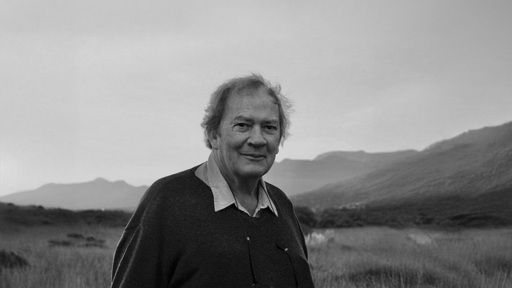
Founder’s Briefs: An occasional series where Mongabay founder Rhett Ayers Butler shares analysis, perspectives and story summaries. In recent years, one of the loudest ideas in environmental policy has been that trees are the planet’s universal remedy. Plant enough of them, in enough places, and carbon will be soaked up, water will return, and biodiversity will rebound. The proposition is tidy, optimistic, and easily communicated. It is also, in many landscapes, wrong. The resistance to this way of thinking did not come from campaigners or contrarians, but from ecology. Over decades, evidence accumulated that vast parts of the world long assumed to be degraded forests were neither degraded nor forests at all. They were ancient grasslands and savannas, shaped by fire, herbivores, and time. Treating them as failed woodlands, and covering them with trees, risked destroying the very systems being “restored.” Few scientists did more to clarify this than William Bond. Bond spent much of his career insisting on an unfashionable idea: that openness mattered. Sunlit systems, he argued, were not empty spaces awaiting trees, but complex ecosystems with their own histories, rules, assemblages, and riches. Grasslands and savannas were not provisional stages on the way to forests. They were alternative outcomes, maintained by processes as fundamental as rainfall or soil. This view ran against powerful currents. International agencies, governments, philanthropists, and corporations were eager for simple climate solutions, and trees were visible, plantable, and symbolic. Bond did not object to forests. He objected to careless generalization. Where forests were…This article was originally published on Mongabay
From Conservation news via this RSS feed