

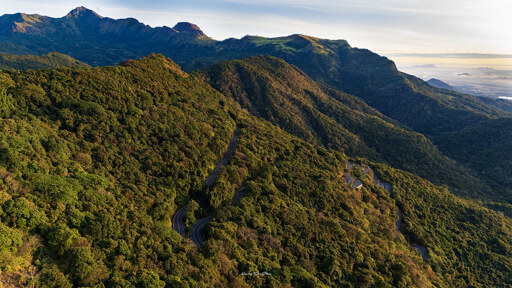
COLOMBO — Sri Lanka’s misty hill country, a hub for nature-based tourism, is currently grappling with the aftermath of Cyclone Ditwah. Landslides, flash floods and damaged infrastructure have disrupted the peak tourist season and raised questions about the resilience of these ecosystems in a changing climate. Stretching across the Central Highlands, the region is famed for its scenic mountains, waterfalls, cloud forests and wildlife-rich protected areas. UNESCO World Heritage sites such as the Knuckles Conservation Forest, Horton Plains National Park, Peak Wilderness and dozens of breathtaking waterfalls form the backbone of Sri Lanka’s nature tourism, attracting visitors from across the globe and generating substantial local income. A landslide-hit sections of a trail leading to the famous Adam’s Peak, a route frequented by thousands of pilgrims and hikers forming a part of the UNESCO World Heritage-listed Peak Wilderness. Image by Shaminda Ranshan. Peak season interrupted December to March is traditionally the busiest tourism season for Sri Lanka. In Ella, one of the island’s most popular scenic towns, hotels and homestays reported mass cancellations after access roads were damaged and landslide fears escalated following days of relentless rain. “For many small operators, the peak tourist season supports livelihoods for an entire year,” said Mithila Bandara, spokesperson for the Hill Country Tourism Bureau. “There were many cancellations in early December, but we are hopeful of conditions improving soon.” Local communities dependent on tourism for a living are facing a double blow — from direct landslide damage and the resulting loss of income. Image…This article was originally published on Mongabay
From Conservation news via this RSS feed