

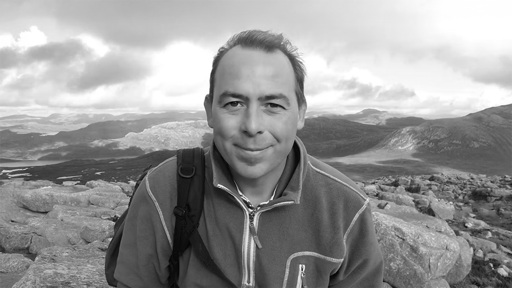
Founder’s Briefs: An occasional series where Mongabay founder Rhett Ayers Butler shares analysis, perspectives and story summaries. For much of the late 20th and early 21st centuries, peatlands sat awkwardly at the edge of public consciousness. Neither conventionally scenic nor easily commodified, they were drained, burned, planted over, or dismissed as wasteland. Only gradually did they come to be understood as systems of consequence: for biodiversity, for water, and, increasingly, for climate. That shift owed less to sudden revelation than to sustained, patient work by a small number of specialists who understood both the science and the politics of land. Among them was Stuart Brooks, who died on December 11, aged 56. He spent much of his career explaining why peat mattered and persuading institutions to act accordingly. He was not the first to do so, but he was unusually effective at translating technical knowledge into policy, and policy into practice. His professional life unfolded largely in Scotland, though he was not born there. Trained as a geographer, he encountered peatlands as a student and stayed with them as they moved from obscurity to prominence. In the 1990s he worked on raised bog restoration and helped assemble what was then a scattered body of practical knowledge. That effort culminated in Conserving Bogs: The Management Handbook, published in 1997, which became a standard reference for practitioners. He later rose through the Scottish Wildlife Trust, eventually serving as its director of conservation. From there he moved to the John Muir Trust, first…This article was originally published on Mongabay
From Conservation news via this RSS feed