

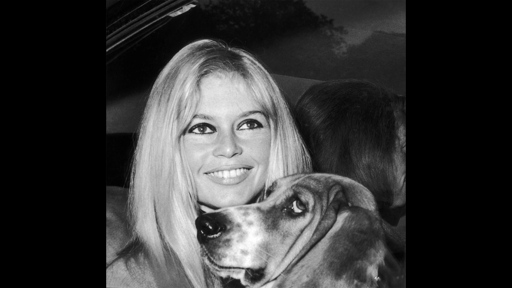
In the second half of the 20th century, animal protection was often treated in public debate as a minor cause, sentimental at best and unserious at worst. It sat uncomfortably beside politics, economics, and diplomacy, and was rarely allowed to intrude on questions of trade, tradition, or national sovereignty. Those who tried to force it into public debate were usually dismissed as eccentrics or moral scolds. One figure helped shift that balance by refusing to treat animals as a side issue. She did not argue from policy papers or institutional authority. She argued from outrage, persistence, and the leverage of fame, insisting that suffering without a human voice was still suffering, and that wild animals were among the most exposed of all. That figure was Brigitte Bardot. Known first as a film star, she abandoned cinema while still a global celebrity and redirected her public life toward animal advocacy. What distinguished her work was not only its longevity, but its scope. She did not limit her concern to pets or laboratory animals. From the 1960s onward, wildlife became a central focus of her activism. Her most consequential campaigns targeted the commercial seal hunt. Bardot traveled to the ice floes of Canada and later to Arctic regions, confronting hunters and drawing international media attention to the killing of harp seal pups. The imagery was powerful, but she framed the issue in blunt terms. In a statement widely reported by the Associated Press, she said, “Man is an insatiable predator.” The problem,…This article was originally published on Mongabay
From Conservation news via this RSS feed
You must log in or # to comment.