

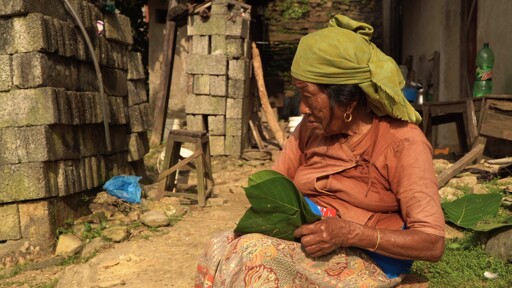
As Indigenous peoples and local communities globally struggle to safeguard their rights over their land and forests, Nepal hasn’t been an exception. In the face of socioeconomic and environmental threats, from infrastructure development projects including hydropower, cable car and mining, Nepal’s communities protested and took corporations to court to uphold their rights. At COP30 in Belém this year, although Nepal’s Indigenous participation was minimal, the country’s delegation pushed for negotiations on climate finance for adaptation and secured inclusion of language surrounding mountain ecosystems in the Global Mutirão, the main outcome document of COP30. Indigenous peoples (IPs) and local communities (LCs) in Nepal faced realities of infrastructure development and energy transition with growing cable car and hydropower projects that manifested in environmental harm, displacement, loss of ancestral lands and disturbance to sacred ties with nature. Here are some of the stories from the communities that Mongabay covered in 2025. Nepal Indigenous leaders refile writ petition against hydropower project Indigenous Bhote-Lhomi Singsa people refiled a writ petition in November at Nepal’s highest court against a hydropower project that has allegedly submitted a flawed EIA. Community leaders initially filed a lawsuit in 2024 against the project which, according to the EIA, would directly impact Indigenous lands and communities in Chyamtang, Ridak and Thudam villages that depend on subsistence agriculture, yak herding and herbal medicine trade for their livelihoods. While the hydropower company has continued the construction work since the project started in 2021, felling more trees than cited in the EIA, communities revisited…This article was originally published on Mongabay
From Conservation news via this RSS feed
You must log in or # to comment.