

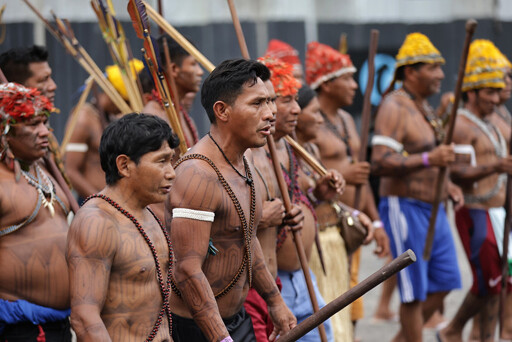
2025 saw a mix of news sweep through Indigenous communities around the world, touching on issues both new and old. Efforts to increase direct funding to support Indigenous peoples’ land rights have persisted for more than two decades now, but this past year dealt a setback to those efforts as a result of the sudden USAID funding cuts in January. That put additional strain on community-led conservation efforts in places like Ethiopia and in the Amazon Basin. Indigenous representation at climate talks was another perennial pain point. And while there was an unprecedented number of Indigenous delegates at this year’s U.N. climate conference in Brazil, COP30, Mongabay reported on the continued failure of these summits to involve Indigenous peoples in decision-making. And as always, Indigenous communities around the world continued the struggle to protect their territories, with the search for so-called critical minerals posing an increasingly serious threat. Many of these mining projects were approved without communities’ consent or sufficient environmental safeguards. Meanwhile, the age-old problem of illegal artisanal mining on Indigenous lands continued, perpetuating the pollution of the forests and rivers they depend on. The past year also saw big solutions stories. Indigenous peoples formed Indigenous guards, some of them led by women, who blend traditional protection strategies with modern technologies to protect their forests and prevent invasions of their lands. Mongabay also reported on Indigenous-led conservation initiatives to save wildlife, restore watersheds and resist the advance of monoculture farming and deforestation — even when few receive compensation for…This article was originally published on Mongabay
From Conservation news via this RSS feed
You must log in or # to comment.