

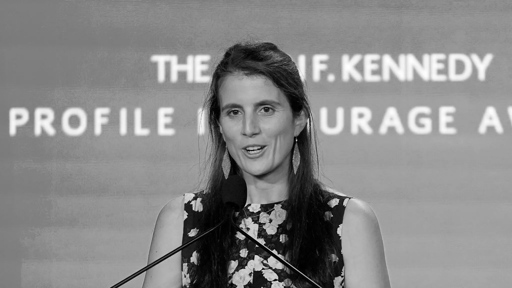
She wrote about damage that accumulated slowly, in places most people did not look, and about the systems that allowed it to be ignored. When her own life was overtaken by illness, she approached that, too, as a problem to be understood rather than transcended. She died today, aged 35, after a year and a half spent moving between hospital rooms and home, and between reporting and waiting. For much of her career she worked as an environmental journalist, explaining climate change and biodiversity loss without relying on apocalyptic framing. Her reporting for The New York Times favored mechanisms over exhortation. She was interested in how harm became normalized: how energy use hid inside data centers, how consumption displaced pollution elsewhere, how environmental cost was made abstract enough to live with. She resisted the consolations of individual virtue, arguing instead that climate change was sustained by systems that rewarded convenience and obscured responsibility. That reporter was Tatiana Schlossberg. In 2019 she published Inconspicuous Consumption, a book that traced the environmental consequences of ordinary life, not to assign blame but to show how difficult it had become to opt out of damage once it was built into infrastructure and supply chains. That same method shaped the essay she published in The New Yorker in November 2025, announcing that she had terminal cancer. The diagnosis came hours after the birth of her second child in May 2024, when a routine blood test showed a white-cell count that could not be dismissed. The…This article was originally published on Mongabay
From Conservation news via this RSS feed
You must log in or # to comment.