

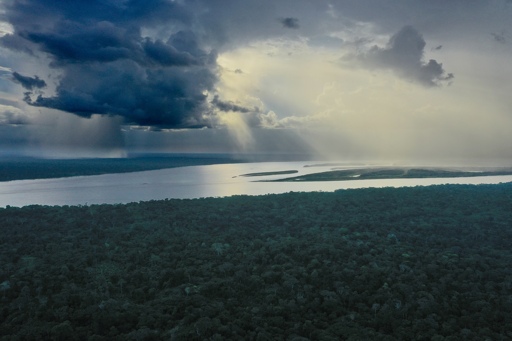
MEXICO CITY — Throughout 2025, Latin America remained a battleground between efforts to conserve some of the world’s most valuable ecosystems and mounting pressure from organized crime and legal extractive industries pushing into new frontiers. Home to about 40% of the world’s known species, Latin America is one of the world’s most biodiverse regions: It holds roughly half of the world’s tropical forests, and at the same time has more than 60% of the planet’s known lithium reserves, 45% of its copper, and significant shares of graphite, silver and zinc that are central to the global energy transition While some governments strengthened environmental laws, multilateral commitments and financing mechanisms to protect forests, oceans and biodiversity, the overall state of the environment continued to deteriorate. In 2025, Latin America emerged as a focus of the global environmental agenda. On the heels of the U.N. biodiversity summit, COP16, in Cali, Colombia, in late 2024, the region also hosted the climate summit, COP30, in Belém, Brazil, in November 2025. According to Alejandra Laina, director for food, land and water at the World Resources Institute (WRI) in Colombia, Latin American governments shared several milestones in 2025: a wave of updated National Biodiversity Strategies and Action Plans submitted after COP16, and updates to countries’ climate commitments, with a strong focus on climate adaptation, restoration and the recognition of Indigenous people in decision-making processes. Yet 2025 was also marked by escalating threats to the environment. Organized crime and illicit economies, particularly illegal mining and logging, expanded…This article was originally published on Mongabay
From Conservation news via this RSS feed
You must log in or # to comment.