


Farmers who want to maximize their profits and productivity come spring would do well to add winter sowing to their routine. This seed-starting method is great for hardy annuals and perennials that can handle a bit of cold in their early stages.
Growers start their seeds in clean, reused milk jugs, plastic containers with lids, or plastic bags. Placed outdoors, the cold, moist conditions of winter help seeds break dormancy. The container keeps warmer air inside and protects sensitive seedlings from the elements.
What results is hardier transplants and plants that mature sooner than they would otherwise. It’s essentially like sowing seeds directly, but in a more protected area. All the benefits of direct sowing are present, with less risk.
Aside from keeping an eye on seedlings and ensuring you’re using sterile containers, the most important part of a successful winter sow is choosing the right plants. As you’re getting ready to start your spring garden in winter, think first about the best flowers and vegetables to winter sow.
Vegetables
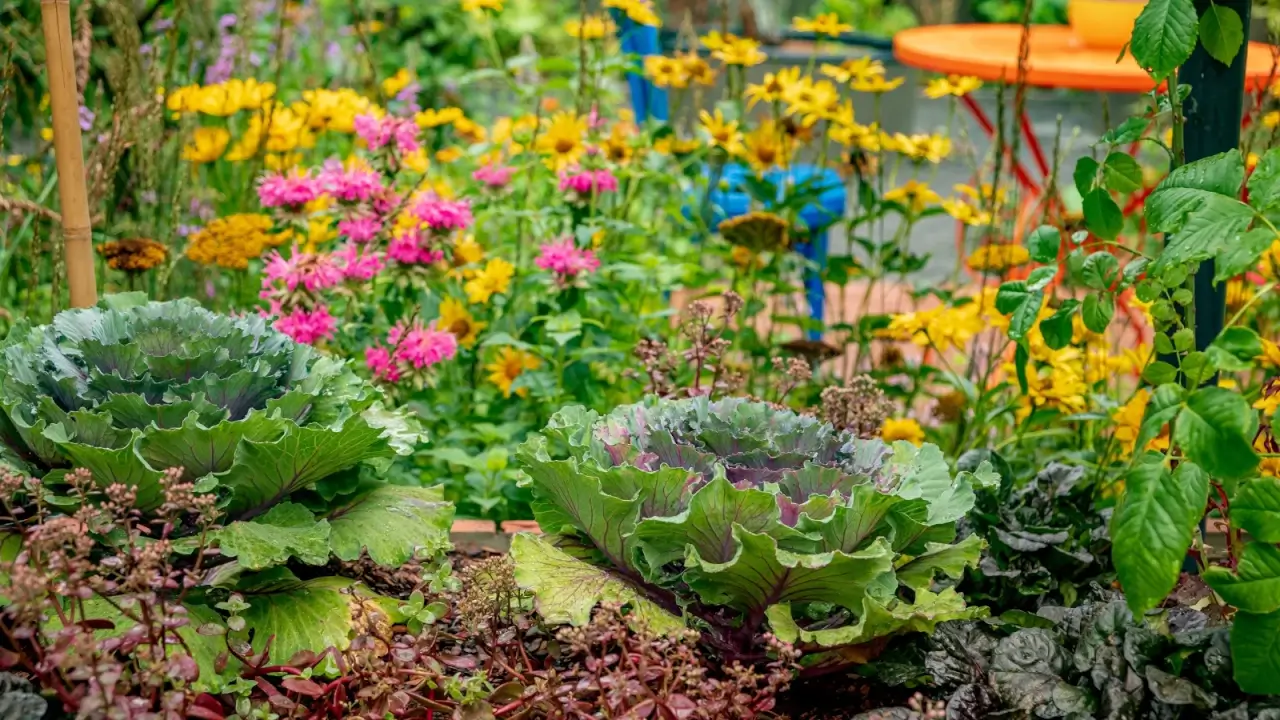
Hardy greens like kale and cabbage are excellent candidates for winter sowing.
We’ll start with the best vegetables for winter sowing. These hardy plants handle cold like champs, even in their earliest stages. Just sow them as directed on the seed packet, but within the confines of your winter sowing container. Then, transplant them to your beds in spring. They’ll thrive when the spring weather warms.
Cabbages
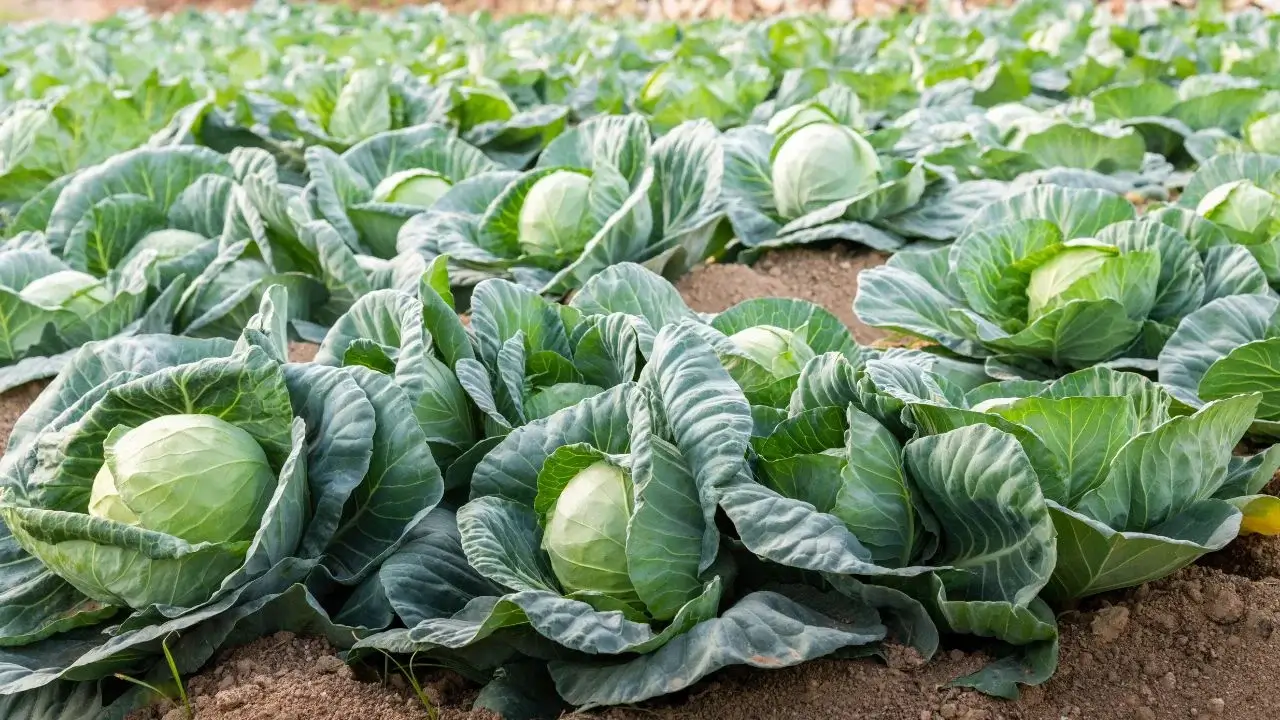
Pick the best cabbage for your needs and desired maturation time.
People love cabbage, and having a beautifully-colored stash to sell to restaurants or from your market stand is a boon. Cabbages, much like most members of the Brassica family, deal with cold easily. They often appreciate a kiss of frost for a sweeter flavor.
Standard cabbages are always a welcome sight to buyers, whether they’re in food service or they simply love to eat fresh vegetables. Napa cabbage offers a bit of variety to your output. If you want to grow cabbage, but know your spring season is short, try a ‘Carex’ cabbage for smaller heads with a shorter maturation time.
Spinach
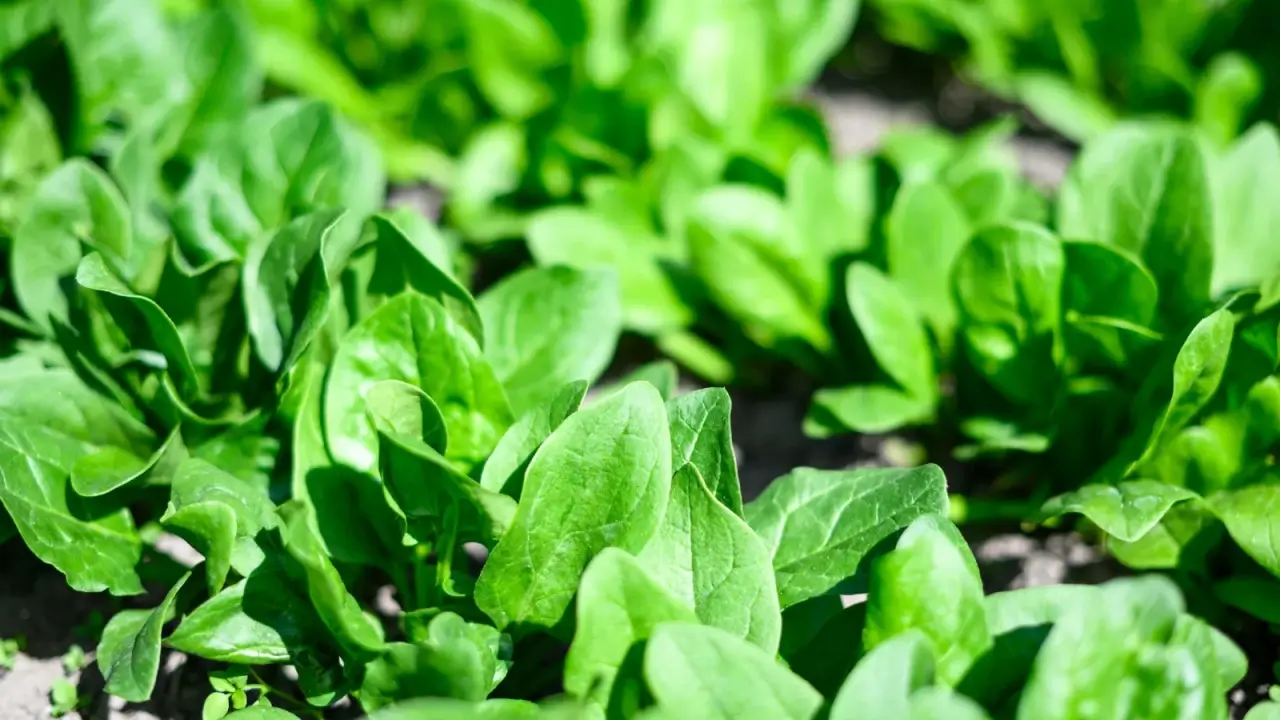
Spinach doesn’t mind a kiss of frost and is a reliable winter-sown crop.
The rich, nutritious leaves of spinach are a hot item almost anywhere they’re sold. And much like our last entry, spinach loves a kiss of frost. In that regard, it’s a good candidate for winter sowing. There are so many varieties of spinach to choose from, and dense sowing doesn’t hamper growth.
For growers in regions where humidity is an issue, ‘Avon’ is a savoy type that’s a great option due to its resistance to mildew and blight. If you prefer smooth leaves, ‘Space’ has just that. It also resists bolting for longer than other types.
Onions
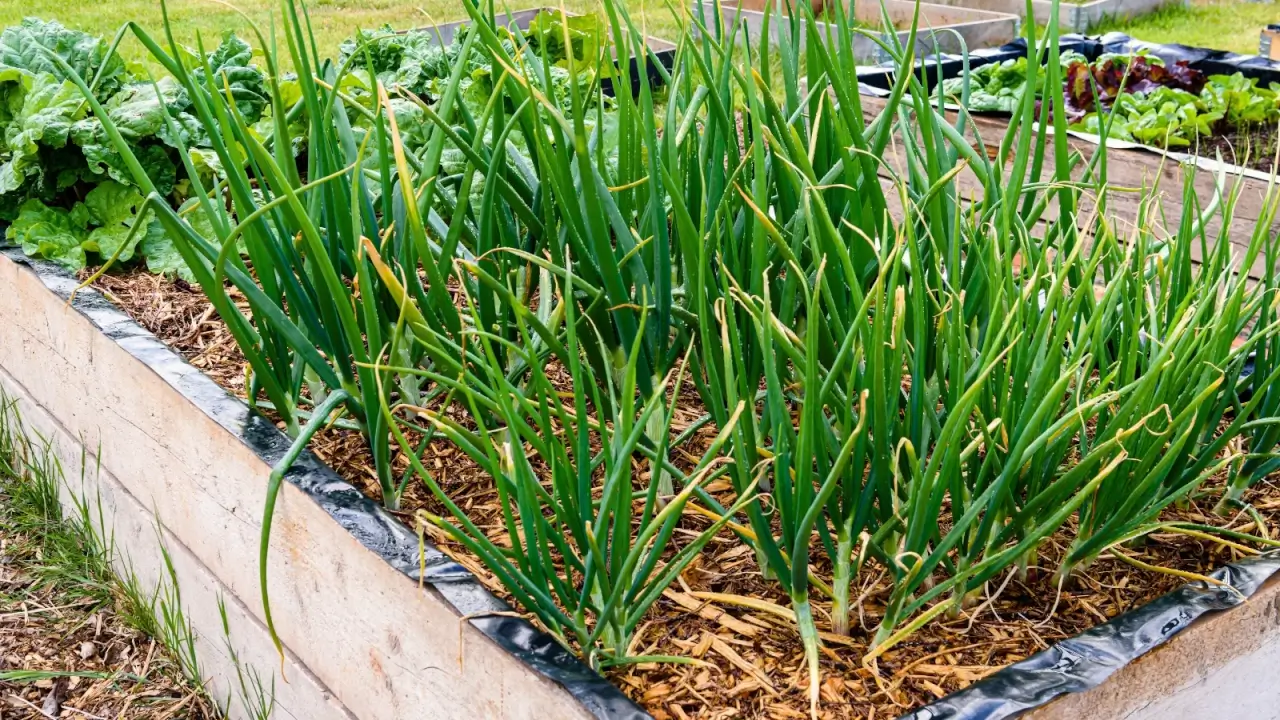
Try bulbing onions for winter sowing.
Due to their long maturation period, bulbing onions in particular work well for winter sowing. If it’s your first time growing onions, consider your day length.
Long-day onions are best for growers at 37 to 47° latitudes. Short-day onions are best for farms in the 25 to 35° range. Intermediate-day onions can handle either long or short-day regions, but do best in 32 to 42° latitudes.
Once you know the type of onion most suited to your climate, throw them in your winter sowing containers and get them started. If you’d prefer to skip the bulbs altogether, throw in some common chive or garlic chive seeds. Bunching onions and shallots work too!
Leafy Greens

Skip the wait for your favorite leafy greens by winter sowing them now.
While they can seem drab on their surface, leafy greens have made a huge comeback recently due to their truly powerhouse-level nutrition. Kale, collards, chard, watercress, and even microgreens are all easy to grow, and they’re some of the best vegetables for winter sowing.
Bok choy, arugula, turnip greens, beet greens – these all offer something interesting to your produce. Some of these are specialty items, and ensure you make a decent return for your initial labor investment. Turnip and beet greens diversify, providing edible and highly nutritious roots and greens.
Flowers

Sow perennial flowers now for ready-made natural pest control for your veggie beds.
Perennial flower seeds are excellent candidates for winter sowing, largely because many need a cold, moist period to break dormancy. If there’s a wildflower you’d like to grow for cut flower markets, or simply to bolster your integrated pest management strategy on the farm, this is a great way to do it!
Pansies
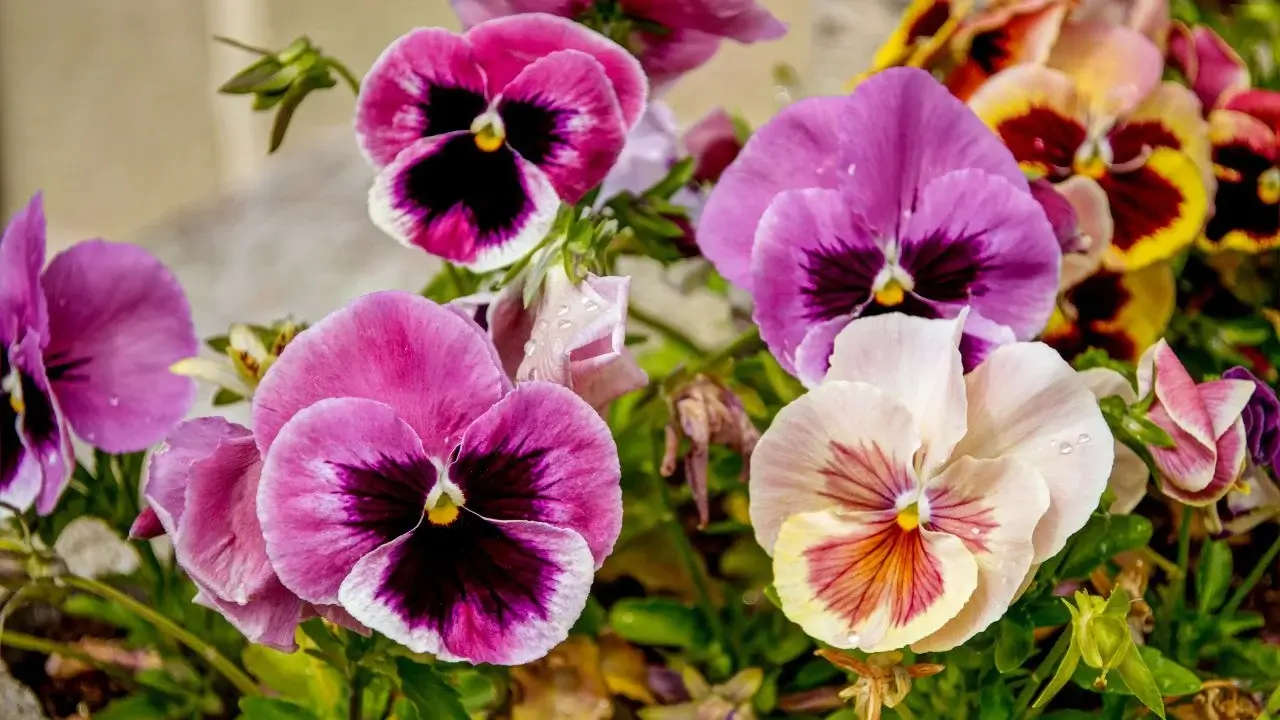
Hardy pansies can be planted now for spring blooms.
Viola × wittrockiana, commonly referred to as pansies, are like cabbages and leafy greens in that they love a little bit of cold. These are some of the best flowers to winter sow, because they are winter-hardy plants. Add to that their unique look and colorful blooms, and they’re worth growing.
Pansies are perfect cut flowers, adding tons of style to an arrangement. They’re also great bedding plants. If you run a nursery, they’re sure to sell. Market gardens benefit from these as well. Pop them in your selection of seedlings, and they’ll be a hot item.
Echinacea
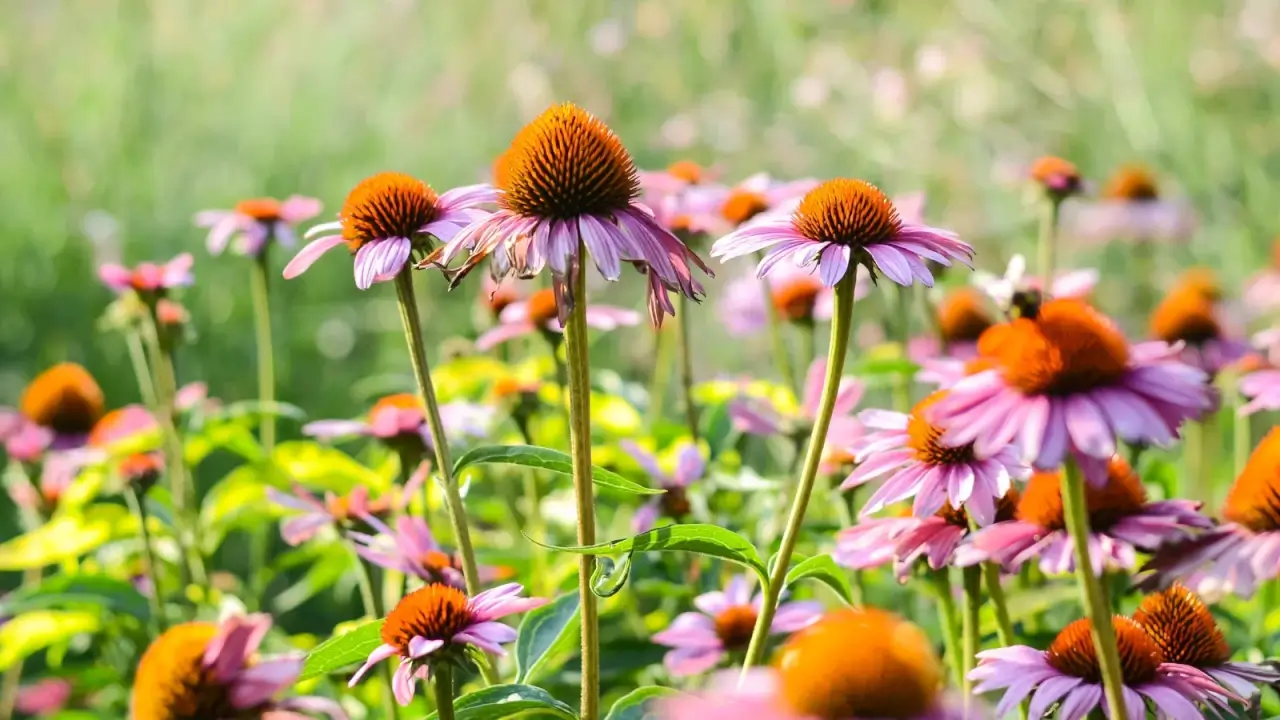
Echinacea needs a period of cold stratification, satisfied by the winter sowing method.
Among many wildflowers, echinacea is an excellent plant to include on the farm. It’s an important member of a strong integrated pest management approach, as it feeds beneficial insects and birds. It’s also a great plant to include in arrangements or to sell live in starter pots.
Winter sow this one to provide a natural form of cold stratification that breaks dormancy, and ensures seedlings are strong for transplanting. If the pinkish purple blooms of the straight species aren’t interesting enough, there are nine species with hundreds of associated cultivars.
Snapdragons
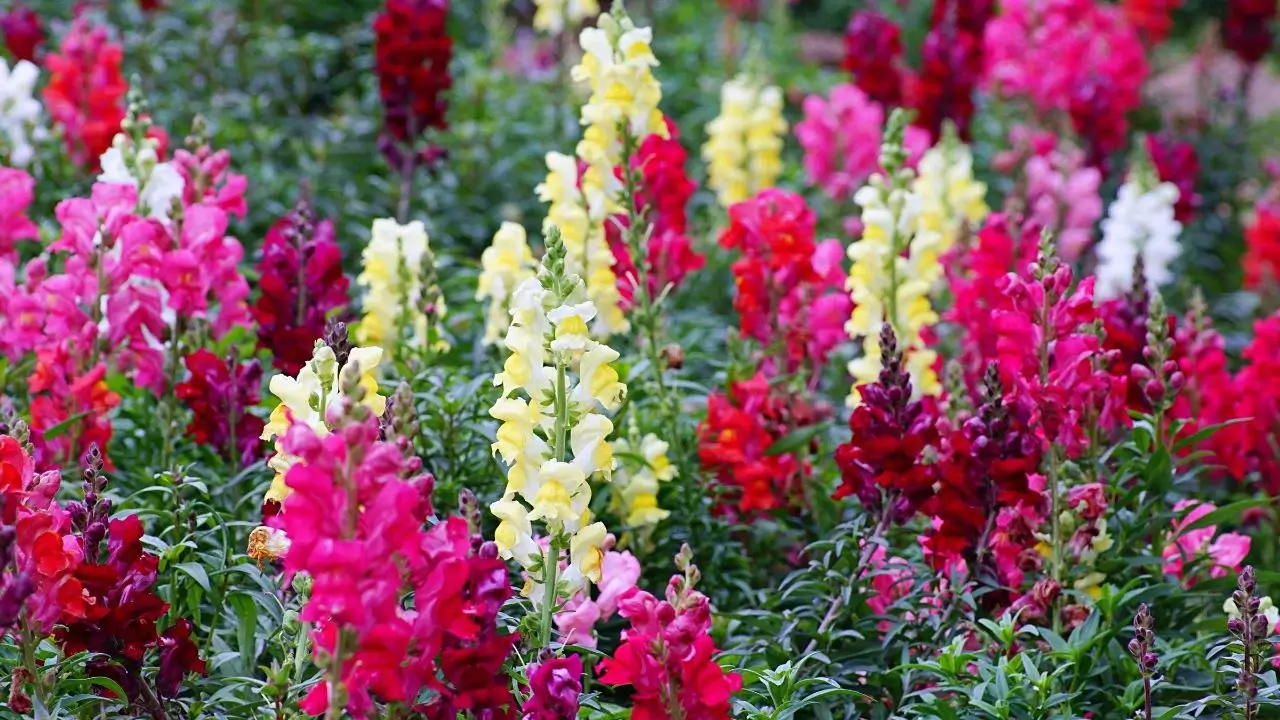
Snapdragons love being started in cold weather.
The delicate dragon maws produced by snapdragon plants are wonderful for winter sowing. People love to start their snapdragons this way due to their tendency to mature early. This is important for growers in regions that heat up quickly, as snapdragons prefer cool weather.
There are four groups of snapdragons, each with its own special abilities. Group 1 is great for colder regions, where there’s low light and heat in winter. Group 2 is best for springs with moderate light and heat. Group 3 straddles this moderate region with Group 2, and also handles summers with high light and heat, and fall seasons with moderate light and heat.
Consider these parameters before you choose the snaps you want to grow. This gives you the best chances for success with your winter sowing operation.
Larkspur
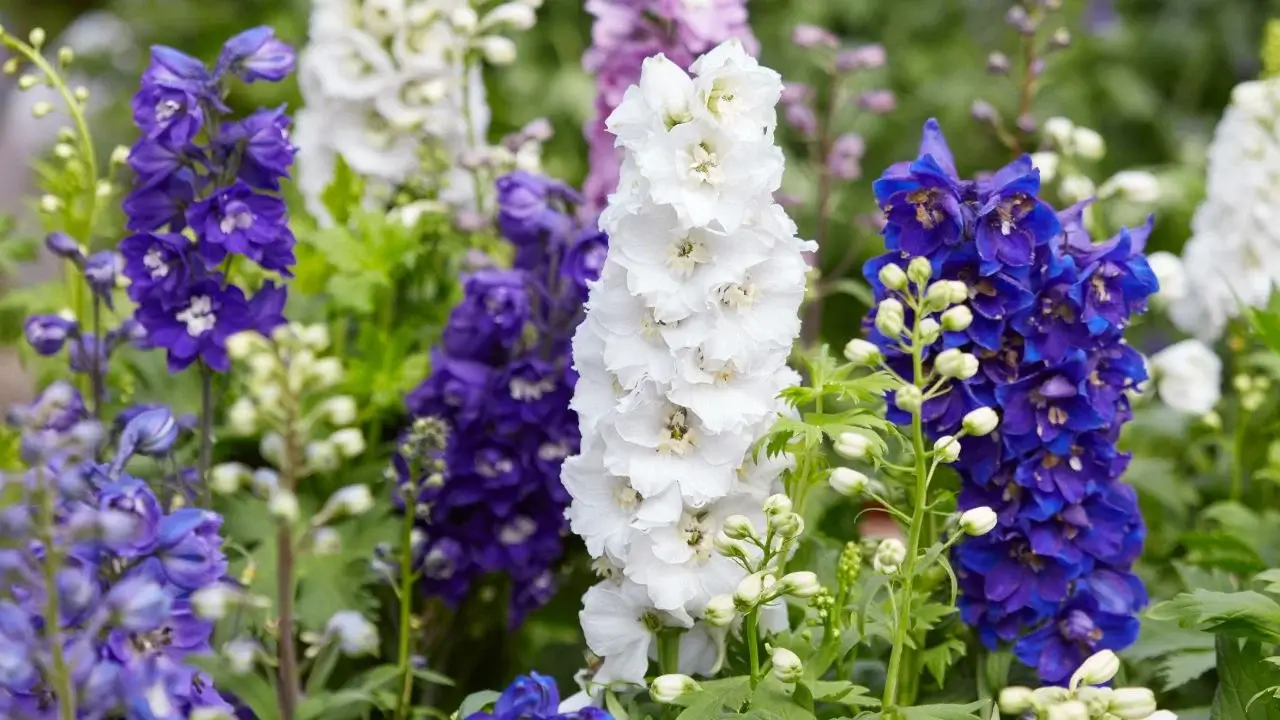
Add a burst of rare, true-blue to the garden with cold-hardy larkspur.
Also known as delphinium, larkspur is another sometimes perennial plant that does well in winter sowing. It’s one of the best plants to winter sow because many species need cold stratification for germination. The winter weather offers the cold and moisture needed to help it sprout.
Few flowers are truly blue, and many delphiniums offer that palette to gardens and cut flower arrangements. There are white, purple, and even pink varieties to choose from, too. Whichever works best for you. Note that delphiniums are a cheery sight on the farm, and attract pollinators as well.
Scabiosa
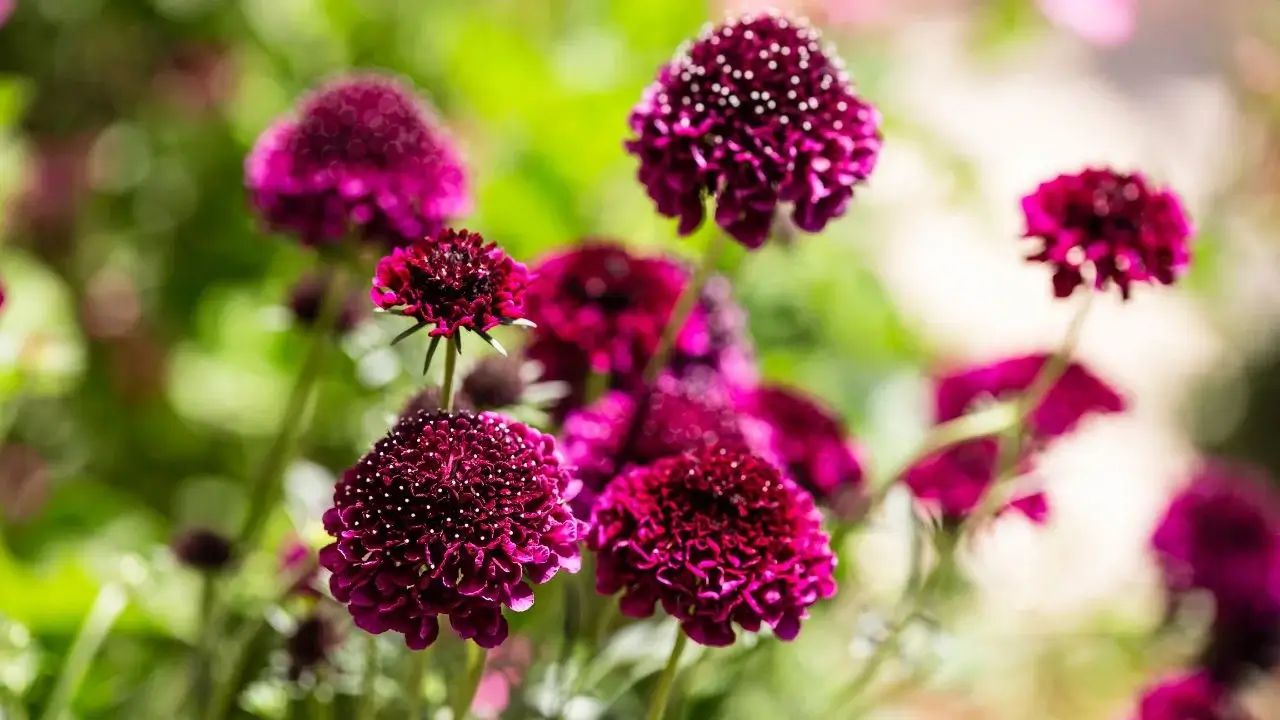
Be ready to attract beneficial insects to the farm now with winter-sown scabiosa.
Lovely in fresh and dried arrangements, scabiosa, also called pincushion flowers, due to their shape, are cool weather lovers and perfect for winter sowing. Get them started in winter, and they’ll be primed to bloom their dense flower heads in spring. These continue to flower through fall.
The many colors offered by scabiosa also last a long time once cut. They’re often chosen for dried arrangements due to their interesting seed heads. And much like the others on this list, they’re good for attracting beneficial insects to the farm.
5 Simple Value-Added Products You Can Produce on the Farm in Winter
You can sell and produce winter farm products, even after the harvests stop. Adding a few high-value items to your to-do list provides revenue when most farms are shut down waiting for spring. Plan for a few next season and offset some of the costs farming presents.
The post The 9 Best Flowers and Vegetables to Winter Sow appeared first on Modern Farmer.
From Modern Farmer via this RSS feed
You must log in or # to comment.