

Ugandans are casting their ballots today in a highly tense contested presidential election, but many are doing so amid an ongoing nationwide internet shutdown that has cut off public access to social media, web services, and messaging platforms.
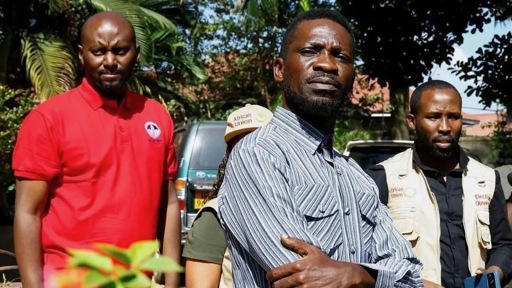
The election pits incumbent President Yoweri Museveni, 81, against eight presidential challengers, led by Robert Kyagulanyi Ssentamu, popularly known as Bobi Wine, 43, a musician-turned-politician whose supporters say they have faced repeated harassment throughout the campaign.
Museveni has been in power since 1986, making this his seventh bid for the presidency and extending a rule that now spans over four decades.
Internet blackout and pre-election environment
Two days before voting began, on January 13, 2026, the Uganda Communications Commission (UCC) ordered a temporary nationwide shutdown of public internet access and selected mobile services, citing concerns over misinformation, electoral fraud, and threats to national security.
Rights groups, however, have condemned the move, arguing that shutting down internet access during elections undermines transparency, restricts freedom of expression, and makes it harder for citizens and observers to report irregularities.
Reports from polling stations indicate widespread delays in the opening of polls due to logistical problems, including malfunctioning biometric equipment and the late arrival of voting materials. Heavy security deployment has been observed in many urban areas, raising concerns about potential unrest.
The opposition claims harassment
Bobi Wine, the leading opposition figure and a favorite among many young voters, has repeatedly claimed that he and his supporters have faced harassment during the campaign. These include arrests, the dispersal of rallies, and restrictions on movement.
While voting is underway and official results are expected within 48 hours, the internet blackout and heavy security presence risk undermining public confidence in the electoral process and could cast doubt on the credibility of the outcome.
Regional context
This election marks a critical moment for Uganda and for participatory democracy in East Africa, a region that has increasingly witnessed the use of state violence against the masses. The recent elections in Tanzania stand as an example of this troubling trend.
Read more: Post-election repression in Tanzania as President Suluhu “wins” with 97.66%
This vote unfolds under heavy security and with critical information channels deliberately cut off. Museveni’s more than 40-year grip on power contrasts sharply with Bobi Wine’s call for generational change and political openness , a tension that reflects a deeper struggle over the future of democracy in Uganda and the region at large.
The post Uganda heads to elections amid internet shutdown appeared first on Peoples Dispatch.
From Peoples Dispatch via this RSS feed
You must log in or # to comment.