

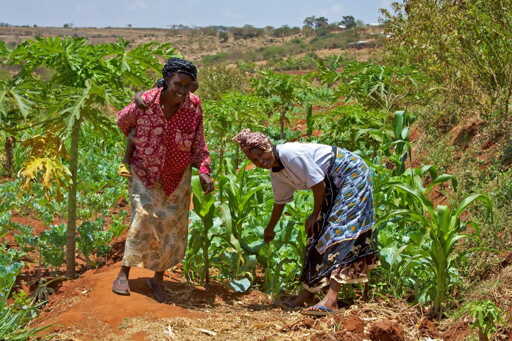
With a synchronized tap from run-of-the-mill hammers on metal plates resting on the ground, researchers kneeling in nine fields across four continents believe they’ve hit upon more than just the earth beneath their feet. “Waiting for it,” someone said. And then, “Waveforms!” “Excellent, waveforms!” another said, as the tiles on screen reveal EKG-like sets of squiggles on laptops and smartphones from each of the locations. The video promotes the Earth Rover Program, a new effort to glean critical details about the soil from the way that a hammer tap tickles a set of sensors. It’s early days for the project. But its global team is working to bring the tools of seismology — known affectionately as “the science of the squiggle,” said co-founder Simon Jeffery — to bear on teasing apart the global puzzle of soil health. Jeffery and his fellow founders, geophysicist Tarje Nissen-Meyer and journalist George Monbiot, have staked out a far-reaching ambition to map soils with a cost-effective technology. They say they hope the program will equip farmers the world over with a better set of tools to grow crops and ensure that soils will remain healthy long into the future. “If we don’t have soil, then we don’t have the wonderful aboveground ecosystems that the vast majority of us enjoy so much,” Jeffery, a professor of soil ecology at Harper Adams University in the U.K., told Mongabay in an interview. He’s quick to point out that soil — the accumulated minerals, organic matter, droplets of liquid…This article was originally published on Mongabay
From Conservation news via this RSS feed
You must log in or # to comment.