

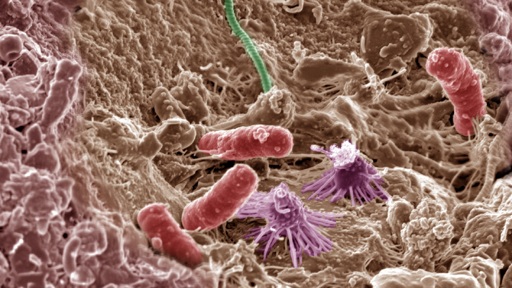
Invisible in their trillions, microbes dwell in our bodies, grow in soils, live on trees and are integral to planetary health. Yet the huge oversized roles these teeming biodiverse microbial communities play as a foundation for life on Earth is often overlooked. And so, too, are the threats microorganisms face, especially from humanity’s actions. But this scientific inattention is about to end, as a newly launched International Union for Conservation of Nature (IUCN) species survival commission focuses on microbiology and dire threats to microbial species. “I think this is a huge milestone for microbiologists, but also for conservation overall, because for the first time, we have an official recognition that microbes need to be included in the conservation agenda,” says Raquel Peixoto, co-chair of the IUCN specialist group and chair of the Marine Science Program at King Abdullah University of Science and Technology in Saudi Arabia. “We cannot talk about either climate change or biodiversity loss without talking about microbes, because we need them to keep the ecosystems healthy and working, and we need them to keep the organisms working,” she adds. All plants and animals host invisible communities of microbes. These vast unseen microbiomes are fundamental to life as we know it, but these invisible ecosystems are also threatened by numerous intensifying pressures, including pollution, climate change and land use change. Prochlorococcus microorganisms in the world’s oceans produce vast amounts of oxygen via photosynthesis. Increasing water temperatures could cause declines of this invaluable microbe. A recent study estimates that…This article was originally published on Mongabay
From Conservation news via this RSS feed
You must log in or # to comment.