

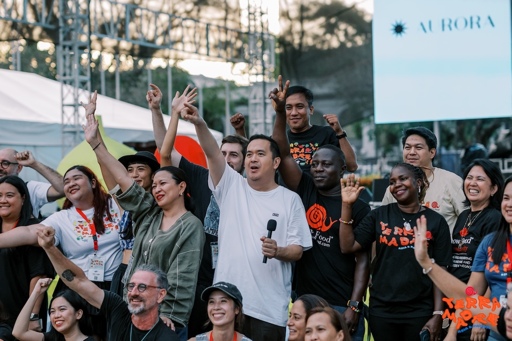
BACOLOD CITY, Philippines — For five days last November, the city of Bacolod in the central Philippine province of Negros Occidental became a crossroads of food cultures from across Asia and the Pacific. The aroma of grilled seafood, fermented sauces, roasted coffee and freshly ground spices filled the air as farmers, chefs, food artisans, scientists, fisherfolk, Indigenous leaders, researchers and policymakers gathered to talk about seeds, soil, culture and survival. The event marked the first Asia-Pacific convergence of the global Slow Food movement, bringing together more than 2,000 delegates from 20 countries in Bacolod. The participants were drawn by shared concerns over biodiversity loss, climate change, and the future of food systems across the region. Organized by the international NGO Slow Food, which advocates for good, clean and fair food for all, in collaboration with Philippines partners, the gathering sought to strengthen regional networks around agroecology, a sustainable farming approach that integrates ecology, Indigenous knowledge, and social action, while showcasing food cultures rooted in local ecosystems. “This is a space where communities, ingredients, and ideas come together to shape the future of food,” Edward Mukiibi, president of Slow Food, told Mongabay, describing it as both a cultural platform and a venue for confronting urgent environmental challenges. Myrna Pula, a T’boli Indigenous leader from the southern Philippines, showcases heirloom rice varieties that have sustained her community and culture for generations. Image by Keith Anthony Fabro for Mongabay. Hub for ‘good, clean and fair’ food A key outcome of the gathering was…This article was originally published on Mongabay
From Conservation news via this RSS feed