

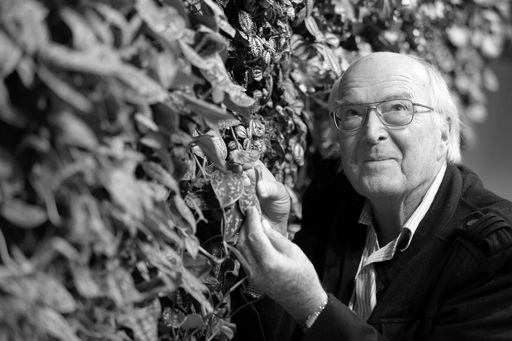
In most forests, a visitor’s eye is trained on what can be reached. The trunk can be measured. The leaves can be plucked. A specimen can be pressed, labeled, and filed away. Yet the largest share of life in a tropical rainforest is suspended overhead, in a zone of light, wind, and constant exchange. For much of the 20th century, that upper world remained a blank on the map of biology, less from lack of curiosity than from a practical problem: it was hard to work where you could not stand. Science often advances when someone treats a logistical obstacle as an intellectual one. In the 1980s, a group of researchers and engineers devised a way to bring a laboratory to the canopy itself. A balloon could lift a platform, set it down on the crowns of trees, and allow botanists to move and observe without felling what they came to study. The method was unglamorous in its intent, even if the image was memorable: a raft perched in the treetops. It opened a layer of forest that had been described more than it had been examined. The botanist at the center of this project had little taste for grand titles. Asked if he was an explorer, he waved it away. “No, no, no, botanist is more than enough for me.” he said. “Life is too short for a botanist,” he added, as if the subject could never be finished. The remark was not a pose. It reflected a view…This article was originally published on Mongabay
From Conservation news via this RSS feed
You must log in or # to comment.