

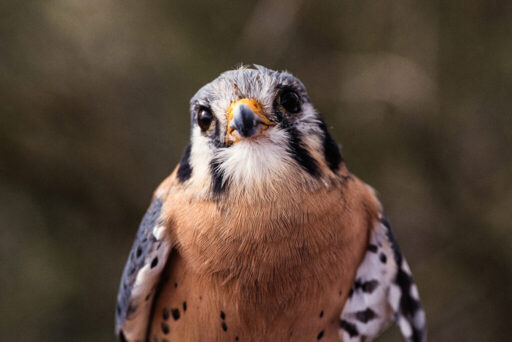
Kestrels are already abundant on local cherry farms, but a new study suggests their presence might lower the risk of food-borne illnesses caused by pathogens from other birds.
By K.R. Callaway
Every spring, raptors return to nesting sites across northern Michigan. The smallest of these birds of prey, a falcon called the American kestrel (Falco sparverius), flies through the region’s many cherry orchards and spends its days hunting for even tinier creatures to eat. This quest keeps the kestrels fed, but it also benefits the region’s cherry farmers.
From Inside Climate News via this RSS feed
You must log in or # to comment.