

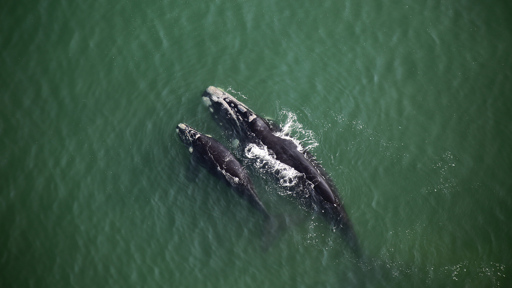
For most of modern history, the open ocean has been treated as a place apart. Beyond the 200-nautical-mile limits of national jurisdiction, it was governed by custom, fragmented rules, and the assumption that what lay far offshore was too vast to manage and too resilient to exhaust. That assumption has worn thin. Fishing fleets now range farther and stay out longer. Shipping lanes have thickened into highways. Interest in seabed minerals has grown. And the tools to extract value from the deep sea, including its genetic resources, have advanced faster than the institutions meant to oversee them. On January 17th 2026, a new United Nations agreement—the Biodiversity Beyond National Jurisdiction accord, or BBNJ—entered into force. It is the first global framework aimed explicitly at conserving life in the waters and seabed beyond national borders. It creates a process for establishing protected areas on the high seas, requires environmental impact assessments for new activities, sets out rules for sharing benefits from marine genetic resources, and commits to capacity building and technology transfer. The details will take years to settle. The shift in legal posture is immediate. The text is done. The hard part is turning it into practice. That is not a dramatic statement. It is simply where most treaties succeed or fail. The high seas cover roughly 60% of the ocean and more than 40% of the planet’s surface. They include deep trenches, seamount chains, and midwater ecosystems that regulate nutrient cycles and store vast amounts of carbon. Less than…This article was originally published on Mongabay
From Conservation news via this RSS feed
You must log in or # to comment.