

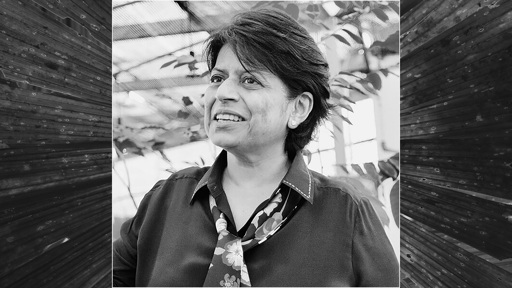
Singapore sells itself as an engineered miracle: a dense city that works, where heat, rain, and scarcity are managed rather than endured. Greenery is part of that bargain. Trees soften the concrete and help make the place livable, but they are also a kind of civic language. They signal order, foresight, and the idea that modern life does not have to be hostile to nature. Keeping that idea honest requires more than landscaping. It depends on citizens who treat the environment as something you participate in, not just consume. In a place where efficiency can crowd out messier forms of public engagement, the most durable gains often come from people who persuade institutions to open their doors, then persuade everyone else to walk through them. Kirtida Mekani was one of those people. Born in Karnataka, India, she moved to Singapore in 1990 and later became a citizen. She liked to recall the drive from Changi Airport, when she was struck by the greenery and felt, as others have since put it, that a seed had been planted. Her own interest began earlier, on her family’s farm. As a child she asked why a compost pit in the backyard smelled so bad. A caretaker showed her what it became. The lesson stayed with her: nature could teach, if you took the trouble to watch it. In 1993 she became the founding executive director of the Singapore Environment Council. Over four years she designed and implemented more than 50 environmental protection and…This article was originally published on Mongabay
From Conservation news via this RSS feed
You must log in or # to comment.